By Right A Way Heating & Cooling | October 7, 2026
How does a heat pump work for heating?
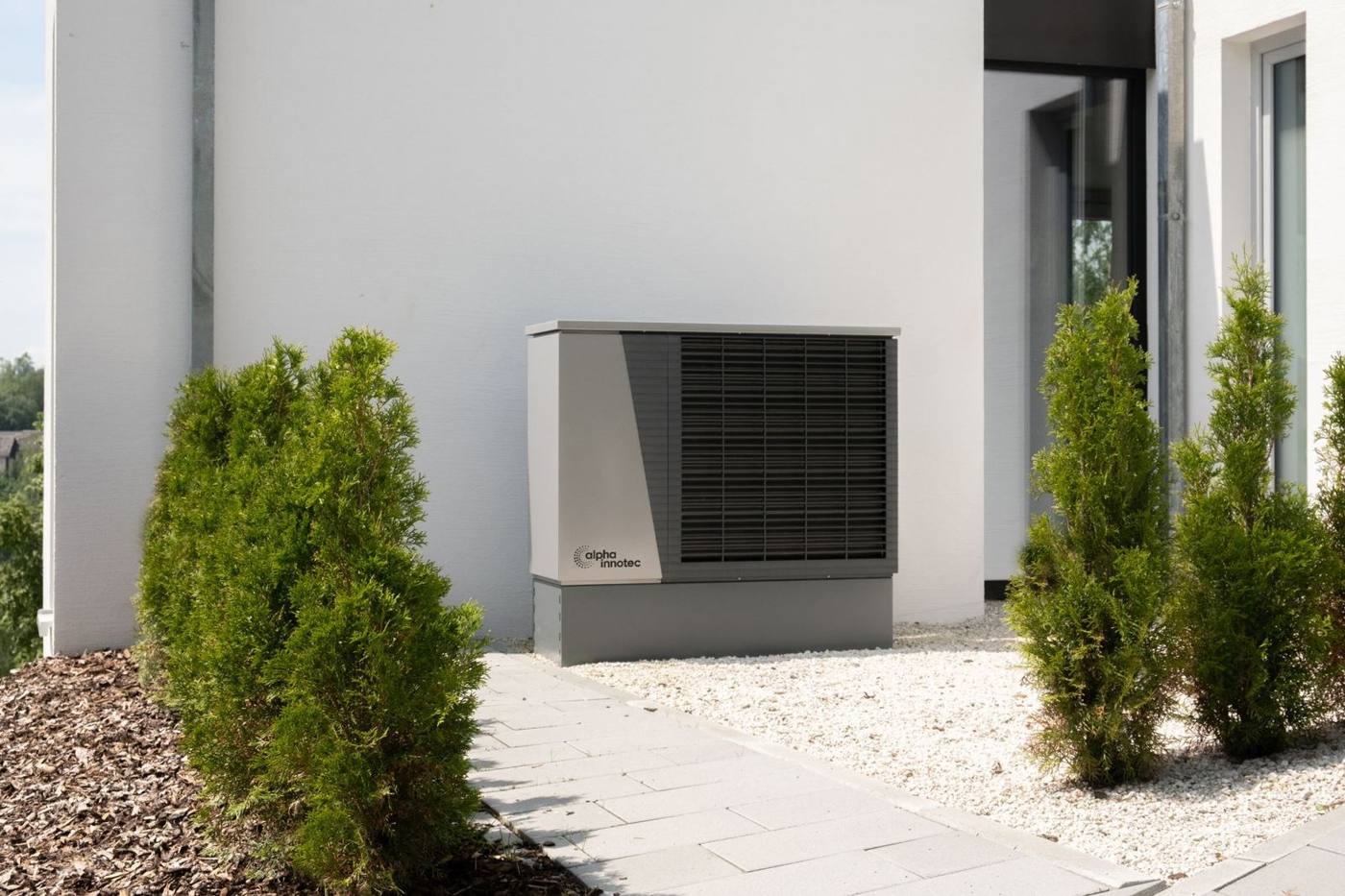
A heat pump uses a refrigerant circuit to move heat between outdoors and indoors. In heating mode, it gathers heat outside and releases that heat inside. Outdoor air can still contain useful heat when it feels cold to you. The equipment does the moving, so the process differs from burning fuel in a furnace.
That is how a heat pump works. It does not mean every unit has the same cold-weather ability. Models differ, and houses lose heat at different rates. When planning a replacement, ask how the selected equipment's heating output matches the demand of your particular home.
Why winter run times can be longer
As the weather gets colder, your home can lose more heat to the outdoors. At the same time, the heat pump's available heating output can change. Longer operation may be part of meeting that demand. Runtime alone is not a diagnosis; the indoor temperature and the equipment's normal behavior matter too.
Notice whether the rooms hold the target temperature. A system that runs for a long stretch while keeping the house comfortable raises different questions from one that runs while the temperature falls. Record the weather, thermostat setting, and affected rooms before assuming that a particular part has failed.
Why the air can feel different from furnace heat
Furnace supply air and heat pump supply air can feel different at a vent. Air that feels less hot on your hand may still be adding warmth to the room. Use the thermostat reading and the overall comfort trend as context. Touch alone is not a useful test of the system's full performance.
If air stays cool and the room keeps losing temperature, request help. Tell us whether the change is brief or continues through the heating call. Mention whether every room is affected. A blocked grille or a room with a draft can also change local comfort, so separate those observations from whole-house behavior.
What defrost does and what to leave alone
Frost can collect on an outdoor heat pump coil in cold weather. Equipment may use a defrost cycle to clear it. During that cycle, sounds or operation can briefly change. Ask for the normal behavior described by your model's guide so you know what is expected for your system.
Persistent heavy ice is a reason to contact a professional. Do not chip it, pour hot water on it, or use a heater beside the unit. Keep covers closed and leave the fan alone. Clear only nearby loose items that you can move safely without reaching into or touching the equipment.
Understand backup and thermostat settings
Some systems use an additional heat source when the heat pump cannot meet demand by itself. The type and control arrangement vary. Ask which setup your home has and how the thermostat uses it. A display label does not tell the whole story without the equipment instructions.
Do not switch to an unfamiliar emergency-heat setting just because the weather is cold. Follow the guide or ask for advice about your model and symptoms. Keep normal schedules understandable, and avoid making repeated large setting changes while trying to judge performance. Write down any alert rather than bypassing it.
The building and ducts matter in winter
Insulation, air leaks, windows, and room layout affect how much heat the home needs. A system chosen before an addition may no longer reflect the space being served. Tell us about building changes when planning equipment. Ask how the current heating demand will be assessed instead of copying an old model size.
For a ducted system, heat still needs a clear path to the rooms. Check for blocked returns and closed supply grilles. A ductless unit has its own placement questions, especially around closed doors. Either layout should be discussed in terms of occupied rooms rather than a single equipment number.
When a winter change needs service
Call about a falling room temperature, repeated shutdowns, a new grinding noise, or outdoor ice that persists. Leave the equipment off if there is smoke, sparking, or water near electrical parts. Do not open panels or try to handle refrigerant. Report what you can see safely.
If your home also has fuel-burning equipment and you smell gas, leave first and call the gas company or 911 from outside. A carbon monoxide alarm means get outside and call 911 as well. For ordinary heat pump concerns, Right A Way provides heating help in Frederick County. Describe the symptom and ask about current availability.
Common questions
Can a heat pump use cold outdoor air?
Yes. Outdoor air can contain usable heat in cold weather. The selected equipment and the home’s heating demand determine the full winter plan.
Is a long heating cycle always a fault?
No. Look at whether the home holds its temperature and whether operation has changed. Report persistent loss of warmth or unusual behavior.
Should I remove frost myself?
Leave the coil and fan alone. Do not chip ice or use hot water. Ask for help when heavy ice remains or the house loses heat.
Related services
No heat or no AC?
Call to discuss your system and current service availability.
Call (301) 845-7710 Emergency HVAC help