By Right A Way Heating & Cooling | October 7, 2026
Start with the space that needs cooling
For a mini split vs central air comparison, begin with the problem you want to solve. Does the whole home need cooling, or is one added room uncomfortable? Does the building already have usable ducts? A house-wide replacement and a room addition can lead to different choices even on the same property.
Write down when each room is occupied and whether doors stay closed. Include any spaces that feel damp or receive strong afternoon sun. These details help describe demand and air distribution. They are more useful than picking a system from a brand name or assuming one type always suits every home.
How central air reaches the rooms
Central air uses indoor equipment and ducts to move cooled air through the house. Supply paths deliver air and return paths bring it back. If the house already has ducts, their layout and condition belong in the comparison. Existing ductwork is an asset only when it can serve the planned equipment and rooms.

A bedroom that has always been warm may need an airflow discussion even if the main unit is replaced. Ask whether the proposed work includes any duct changes. Also discuss filter access, thermostat location, and how the indoor and outdoor equipment fit together. Replacing one component should not obscure those questions.
How a mini split serves a room
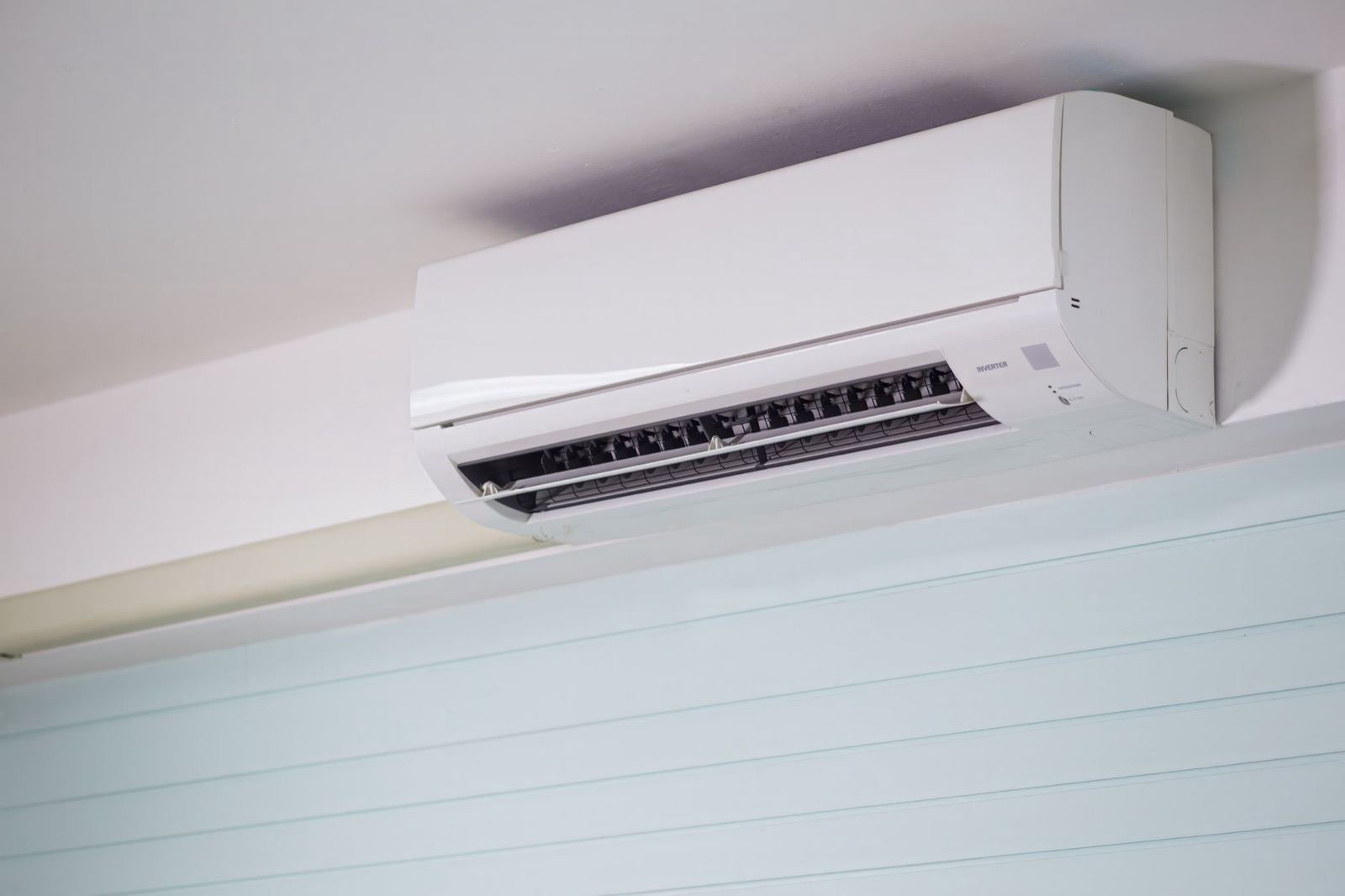
A ductless mini split has an indoor unit connected to outdoor equipment. The indoor unit delivers air directly to the space. That can be useful where a new duct route is difficult, such as an addition or a finished room. The indoor location still has to support airflow and access for care.
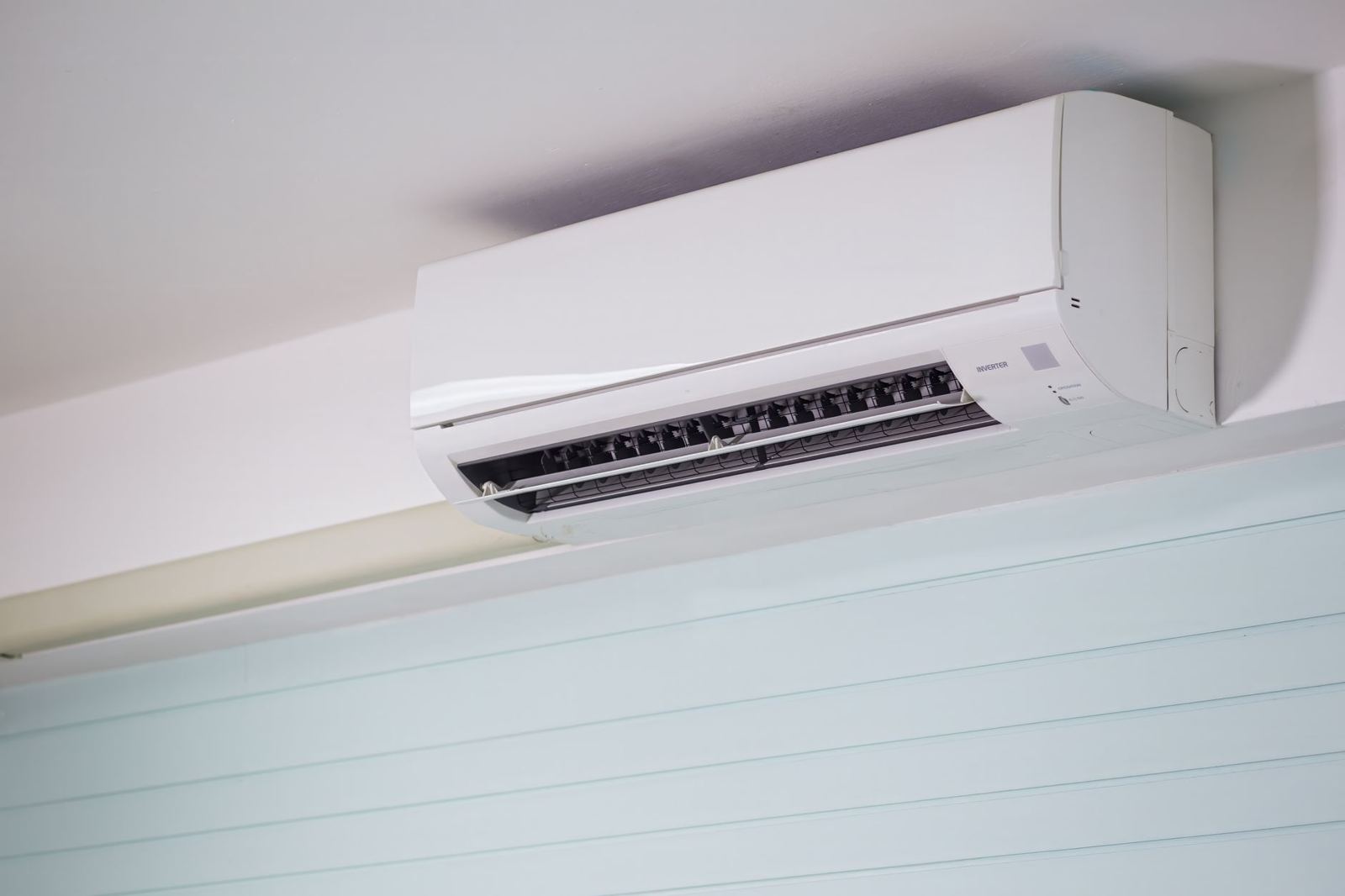
A single head does not automatically condition a string of closed bedrooms. A multi-zone arrangement may be considered for several spaces, but each room's demand and the selected equipment's limits matter. Discuss the actual layout rather than counting indoor units as if every room has the same needs.
Compare the installation paths
Central air planning may involve ducts, an indoor coil or air handler, outdoor placement, and controls. A ductless plan needs connecting line routes, drainage, electrical work, and indoor locations. Both approaches need safe equipment access. Ask what wall or ceiling work is part of the proposal and what finish work remains separate.
Walk through the house with the planned furniture in mind. A clear wall during renovation may later hold a tall cabinet. An outdoor corner may sit beside a bedroom window or patio. Discuss appearance and sound before choosing locations, then make sure the agreed arrangement is reflected in the written scope.
Think about heating before deciding
Many mini splits are heat pumps and can provide winter heating as well as cooling. Ducted heat pumps can also use a central air distribution system. Central air cooling may instead work alongside a furnace. The right comparison includes the home's existing heat source and any change you intend to make.
Ask how the proposed setup handles cold weather and whether backup heat is part of the plan. Heating demand depends on the building as well as the equipment. A room that is comfortable in mild weather can still need a careful winter assessment. Avoid treating a cooling choice as a complete heating plan without that discussion.
Compare controls and daily habits
A central thermostat influences the areas served by that system. Separate ductless zones may offer local control within the equipment's operating limits. Think about who uses each room and at what times. Ask which modes can run together rather than assuming every zone is fully independent in every condition.
Choose controls you can understand and maintain. Learn the normal settings, the filter locations, and what an alert means. If different equipment serves different parts of the home, label your records. Clear records make it easier to explain a future problem without confusing one system with another.
Include care and access in the comparison
Both approaches need care suited to the equipment. Ductless indoor units have filters and internal components that require attention; central equipment has its own filter and airflow needs. Follow the guides for homeowner tasks, and leave internal cleaning and refrigerant work to a professional. Ductless does not mean care-free.
Review the scope of each option side by side. Which rooms will it serve? Which existing parts stay? What building or electrical changes are included? Right A Way provides AC installation and ductless mini-split services in Frederick County. Describe your layout and request a written quote built around the work your home needs.
Common questions
Is a mini split only for one room?
Some arrangements serve one area and others use several indoor units. Room demand, layout, and equipment compatibility determine the plan.
Can central air use my existing ducts?
Possibly, depending on their condition, layout, and compatibility. Ask about airflow concerns before assuming all existing ducts should remain.
Which system needs less care?
Both need care based on their equipment guides. Compare access and required tasks for the actual proposed models rather than assuming either needs none.
Related services
No heat or no AC?
Call to discuss your system and current service availability.
Call (301) 845-7710 Emergency HVAC help