By Right A Way Heating & Cooling | October 7, 2026
How much is a new air conditioner?
A useful answer starts with your house and the installation scope. An equipment name does not show whether the project includes an indoor coil, controls, duct changes, electrical work, or removal of the old system. These details can differ between homes and between proposals. Ask what each quote includes before comparing it with another.
Describe the reason you are replacing the AC. A system that stopped suddenly, a house that stays damp, and an added room that never cools are different concerns. The proposed work should connect to the problem you want to solve. Otherwise, a comparison can miss the very change that matters most to you.
How much is a new furnace?
The same scope-first approach applies to heating. Fuel type, size, venting where relevant, controls, and the existing air distribution setup influence the work. A gas furnace replacement and a change to another heating approach may involve different supporting tasks. Ask for those tasks to be identified in writing.
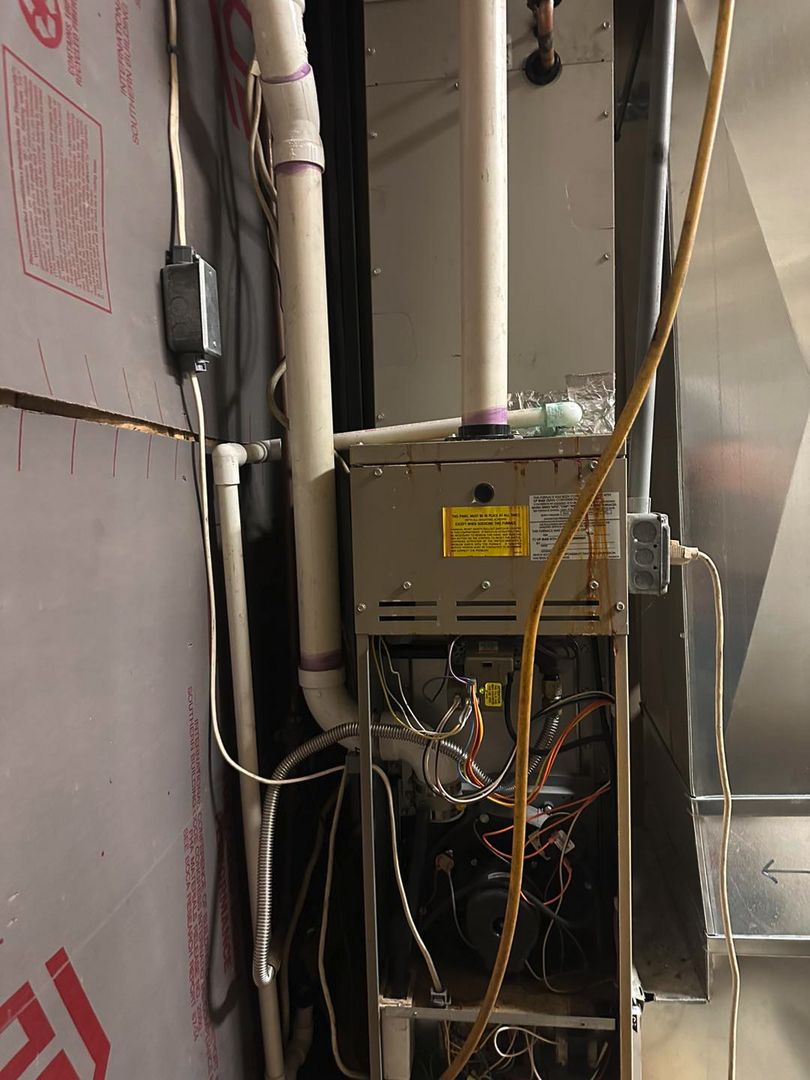
A furnace may share components with cooling equipment. Discuss which parts stay and whether they are compatible with the proposed replacement. Do not assume that the indoor coil, blower arrangement, or thermostat can remain just because they still operate. Compatibility belongs in the project discussion before equipment is selected.
Sizing begins with the building
Floor area is only part of heating and cooling demand. Windows, insulation, ceiling height, sun exposure, and air leaks can also matter. An old unit's size is background information, not proof that the same capacity is right now. A renovation may have changed the house since that equipment was chosen.
Ask how the proposed size was determined and what information about the home was considered. Bigger does not automatically mean more comfortable. The goal is equipment matched to demand and an air path that reaches the rooms. A proposal should make those choices understandable without requiring you to become an equipment designer.
Ductwork and airflow can change the scope
Duct condition, return paths, and room layout affect how conditioned air reaches living spaces. If an upstairs bedroom has always been uncomfortable, replacing the main unit may leave that concern unresolved. Explain the room pattern before the quote is prepared. Ask whether the proposed work includes any changes to air distribution.

Some projects may need a discussion of ductless equipment for a separate room. That is a different layout, with its own line routes, drains, and controls. Compare what each approach serves rather than treating all equipment proposals as interchangeable. A quote should name the spaces and components covered.
Efficiency choices need context
Equipment efficiency is one factor in selecting a model, but it does not determine household energy use by itself. Building conditions, thermostat habits, weather, and installation details also play a role. Ask what the proposed efficiency choice changes about the equipment and installation. Avoid assuming a particular reduction in use.
Compare options that fit the same comfort needs. A model with different controls or operating behavior may require a different setup. Ask what you would use day to day and what care the equipment requires. Keep the focus on the complete system rather than a single label on the outdoor unit or furnace.
Access and related work belong in writing
A tight closet, basement stairs, attic access, or a long route through finished space can affect installation work. Share those conditions early. Ask how old equipment is removed and where new equipment will sit. Confirm that the plan leaves room for future service and normal filter care.
Electrical changes, venting, drain routes, and finish work should be discussed explicitly. Some tasks may be included and others may remain separate. Do not assume that every wall opening or related repair is covered by an equipment quote. Write down any exclusions and questions before agreeing to proceed.
Prepare a useful quote request
Gather the model information if it is safely accessible, repair records, and a list of comfort concerns. Include changes to the building and how you use each room. Photos can help describe access, but leave panels closed and do not handle fuel or electrical components to get a better view.
Right A Way provides AC and heating installation services for Frederick County homeowners. Contact us to describe the project, then discuss the actual scope. Ask which equipment stays, which changes, and what related work is included. Before choosing a new AC or furnace, get a written quote.
Common questions
Why can two replacement scopes differ?
They may include different equipment, controls, duct changes, access work, or related tasks. Compare the listed work before treating proposals as equivalent.
Does the old unit decide the new size?
No. The current building and heating or cooling demand should guide sizing. Mention additions, window changes, and insulation work.
What should I request before deciding?
Ask for the proposed equipment, included work, exclusions, and unresolved questions in writing. Then get a written quote.
Related services
No heat or no AC?
Call to discuss your system and current service availability.
Call (301) 845-7710 Emergency HVAC help