By Right A Way Heating & Cooling |
Start with the room, not the equipment
Write down where the home feels damp and when it happens. Is it one basement room, several bedrooms, or the whole house? Does the problem follow rain, showers, cooking, or a stretch of muggy weather? A pattern can help separate an indoor moisture habit from a building leak or an HVAC concern.
Our indoor air quality services are a place to discuss moisture and comfort questions. A dehumidifier removes moisture from air; it does not repair a roof leak, seal a foundation, or fix a broken drain. Deal with active water entry first so new equipment is not asked to manage a source that needs its own repair.
Measure moisture instead of guessing
A simple indoor humidity meter can help you compare rooms over several days. Place it away from a supply vent, direct sunlight, or a steamy bathroom doorway. Record the reading along with room temperature and weather. Use the device guide and allow it time to settle before comparing numbers.
One reading is not enough to size a whole-house unit. A cool basement can have a different humidity reading from a warm upstairs room even when both contain moisture. Note condensation on windows, damp surfaces, or a musty odor, too. Those signs deserve a closer look, but they do not identify a specific contaminant or prove the source of the moisture.
Check common moisture sources first
Use bathroom and kitchen exhaust fans as intended and check that household habits are not adding avoidable moisture. Keep windows closed during muggy weather when cooling or dehumidifying. Avoid drying wet laundry in a closed basement if another suitable option is available. Look for visible plumbing drips without opening walls or equipment.
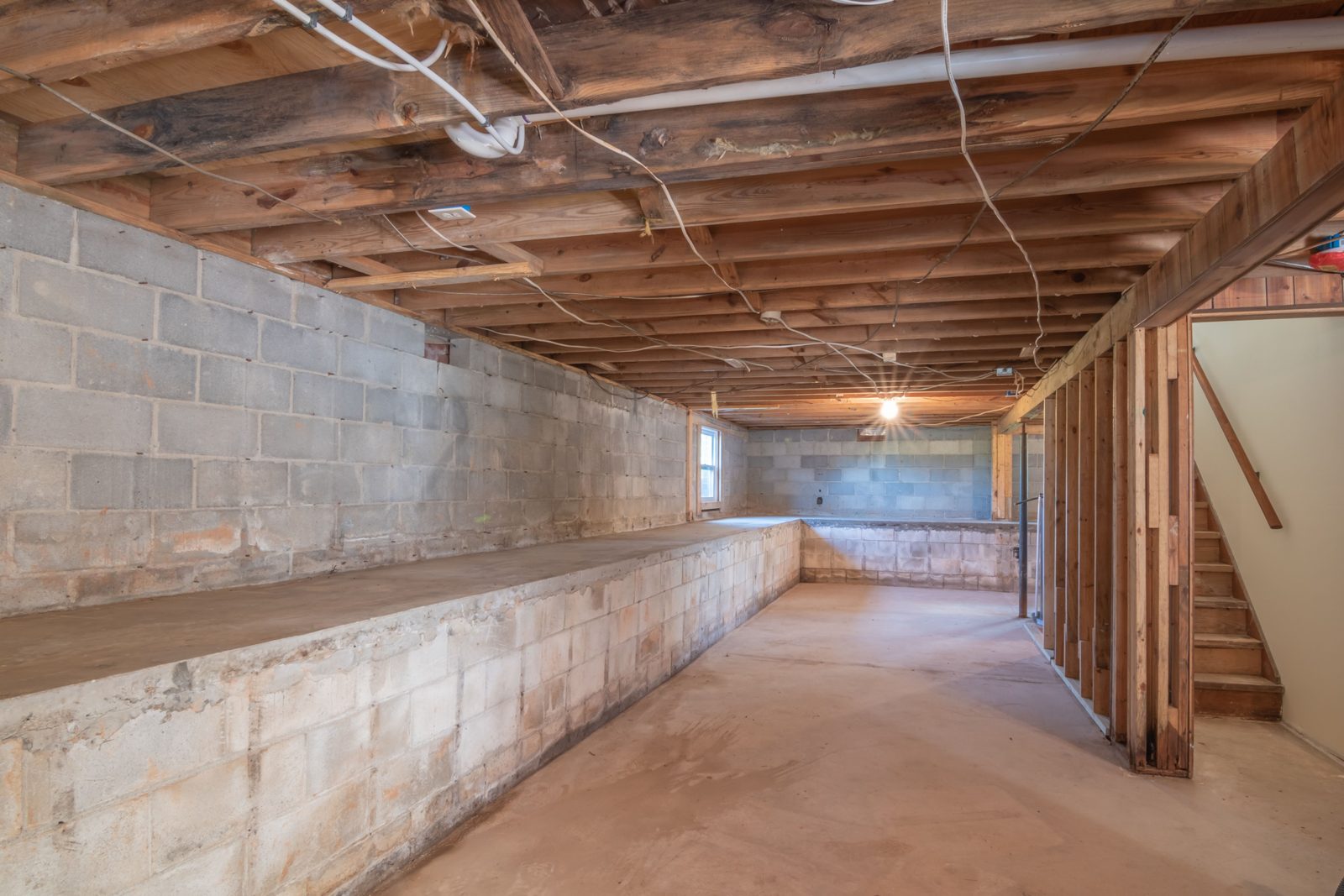
From a safe ground-level view, notice whether rainwater collects beside the home. Blocked drainage or water entering below grade needs building attention. In older Frederick houses, unfinished basement walls and air leaks may affect moisture conditions. Do not assume a larger dehumidifier is the answer to wet masonry or standing water. Ask the appropriate professional to assess the water source.
Understand what the AC already does
An AC removes some moisture while it cools. On mild but humid days, it may not run long enough to control dampness in every room. Airflow issues, equipment condition, and system sizing can also affect comfort. Lowering the thermostat again and again may make rooms cold without solving the moisture concern.
If humidity changed suddenly along with weak cooling, ice, or a new leak, arrange AC repair before deciding you need another appliance. Share filter details and the recent operating pattern. Keep panels closed and do not touch refrigerant lines. A working cooling system and a separate moisture-control plan may serve different needs, so have both evaluated together.
Compare portable and whole-house options
A portable dehumidifier may suit a specific room when used within its instructions. It needs open airflow, a suitable power source, and a safe way to collect or drain water. Emptying a bucket can become a regular task. Do not use extension cords or improvised drains that the maker does not allow.
A whole-house unit is designed as part of a broader air and drainage plan. Depending on the home and equipment, it may use dedicated ducts or connect with the HVAC system. It needs proper sizing and controls. Ask which rooms the plan is intended to serve and how air returns to the unit. The label alone does not promise equal results in every closed room.
Plan drainage and access before choosing
Moisture removed from air has to go somewhere. Ask where the condensate will drain and whether a pump is needed. The route should suit the equipment and the home. Do not plan to discharge water into a random floor opening or connect to plumbing without knowing what is required.
The unit also needs service access and a practical filter routine. A location that looks tidy may be hard to reach for care. Discuss noise, controls, and the space needed around it. For Frederick County homes with finished basements, ask how the installation will protect access to existing equipment and keep the drain path available for inspection.
Ask what ongoing care involves
A whole-house dehumidifier adds equipment that needs attention. Ask about filter checks, cleaning, drainage inspection, and the controls you will use. Keep the owner's guide where you can find it. Do only the care steps listed for homeowners, with the unit shut off as directed before safe access.
Discuss how its care fits with HVAC maintenance. If water appears outside the unit, an alarm sounds, or a new noise starts, stop and request guidance. Do not bypass a water safety switch or open powered panels. Keep a short record of humidity readings after installation so you can describe whether the original rooms feel different over time.
Decide based on the problem you want solved
A whole-house unit may be worth considering when measured dampness affects several areas and moisture sources have been addressed. A single-room issue may call for a smaller approach. A leak needs repair. The useful question is how the proposed plan fits your actual rooms, drainage, and daily care needs.
Ask for a written scope that explains the equipment, airflow route, controls, and upkeep. Avoid promises of perfect comfort or a health outcome. Contact Right A Way with your room notes and readings to discuss the next step. You will have a clearer conversation when you can explain where dampness happens and what you have already checked.
Common questions
Will a dehumidifier fix a basement leak?
No. It removes moisture from air but does not stop water entering through a wall, floor, roof, or pipe. Repair the water source first.
Do I need a whole-house unit for one damp room?
Not always. Start with the source and measurements. A room-specific option or a building repair may fit better than a whole-house installation.
Can I just lower the AC thermostat?
Lowering the setting can make rooms too cold without resolving dampness. Review the cooling system, moisture sources, and humidity readings before choosing a solution.
Related services
More homeowner guides
No heat or no AC?
Call to discuss your system and current service availability.
Call (301) 845-7710 Emergency HVAC help