By Right A Way Heating & Cooling | October 7, 2026
Why is my air conditioner not blowing cold air?
The indoor fan can run even when the system is not removing heat. That means moving air alone is not proof that cooling is working. A thermostat setting is one possible explanation, but an outdoor-unit fault, coil problem, or restricted airflow can produce a similar complaint. You cannot identify the failed part by touching a vent.
First decide whether this is a comfort problem or a safety concern. Smoke, sparking, a burning electrical smell, or water near wiring means stop using the equipment and keep clear. If you smell gas, leave the building and call the gas company or 911 from a safe place. Leave further checks until the situation is safe.
Check cooling mode and the thermostat schedule
Look for cool mode and a target below the current room temperature. A thermostat set to fan only will move air without calling for cooling. A schedule may also have changed the target while you were away. Review those settings using the control guide rather than changing every option on the display.
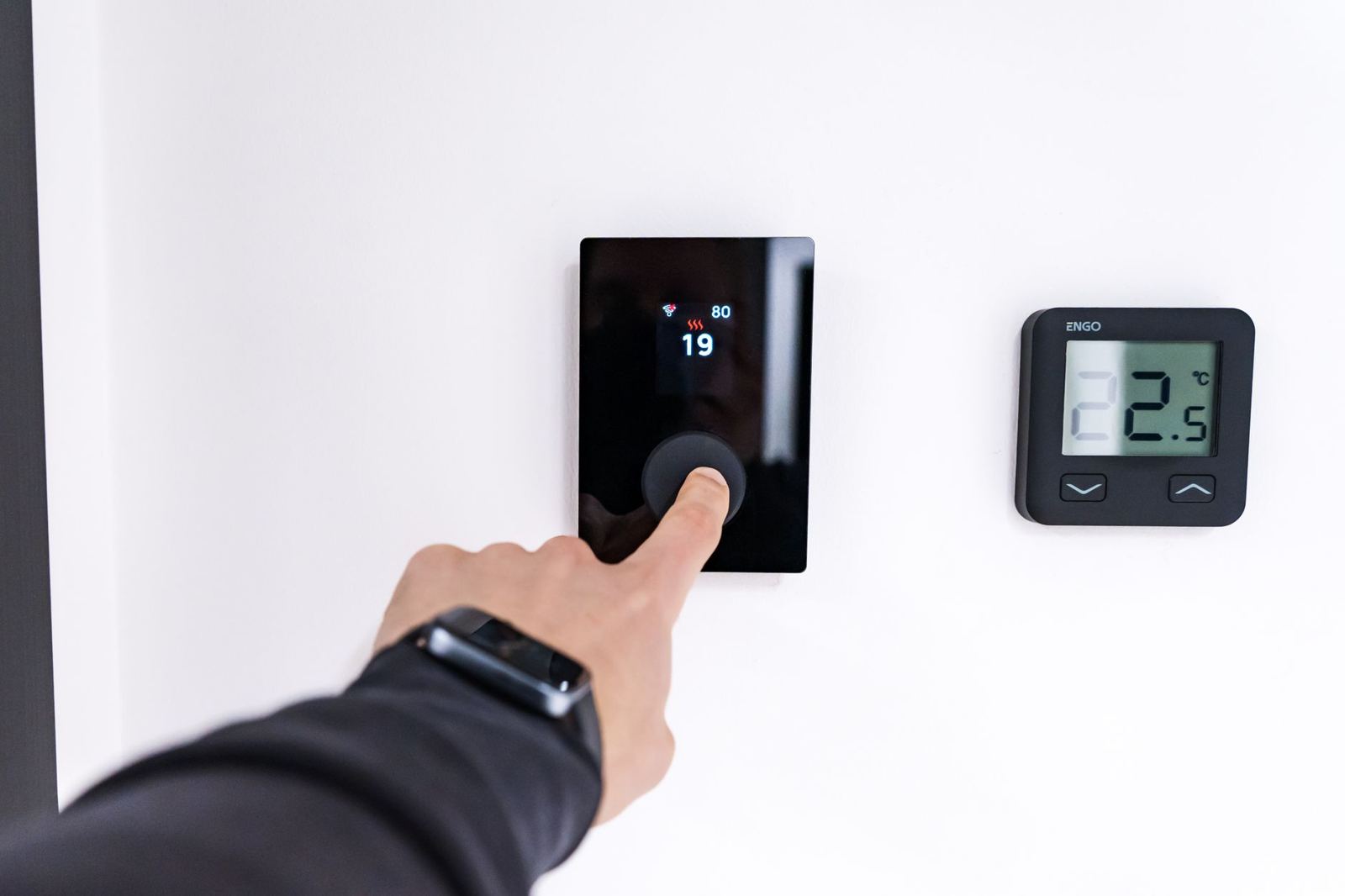
If the thermostat uses batteries, follow its instructions for replacement. Do not remove wiring or bridge terminals. Note any displayed alert before clearing a screen. If the settings are correct and the house keeps warming, that detail is useful when you request service. Repeatedly lowering the target will not repair a system fault.
Look at the filter and air paths
Check a filter only if it is designed for homeowner access without opening a service panel. Follow the equipment guide and turn the system off as directed. Use the specified size and type. A heavily loaded filter can restrict airflow, but a clean one does not rule out every other air-path problem.
Walk through the rooms and look for a sofa over a return, a rug over a floor grille, or closed supply vents. Keep the normal air paths open. Do not close many vents to push air into one room. If one room is warm while the rest cools, describe that difference rather than reporting a whole-house shutdown.
If you see ice or water, stop cooling
Ice means cooling should be turned off. Do not chip it away or open the cabinet for a closer look. Fan-only operation may be appropriate only if it is safe and the equipment guide permits it. Water near electrical parts makes hands-on checks unsafe. Keep people away and call for help.
Melting ice can produce a leak even after cooling stops. Move belongings away only when you can do so without approaching wet equipment. A thawed coil is not evidence that the underlying problem is fixed. Note where the ice appeared, whether airflow weakened first, and whether the same sequence happened before.
Observe the outdoor area safely
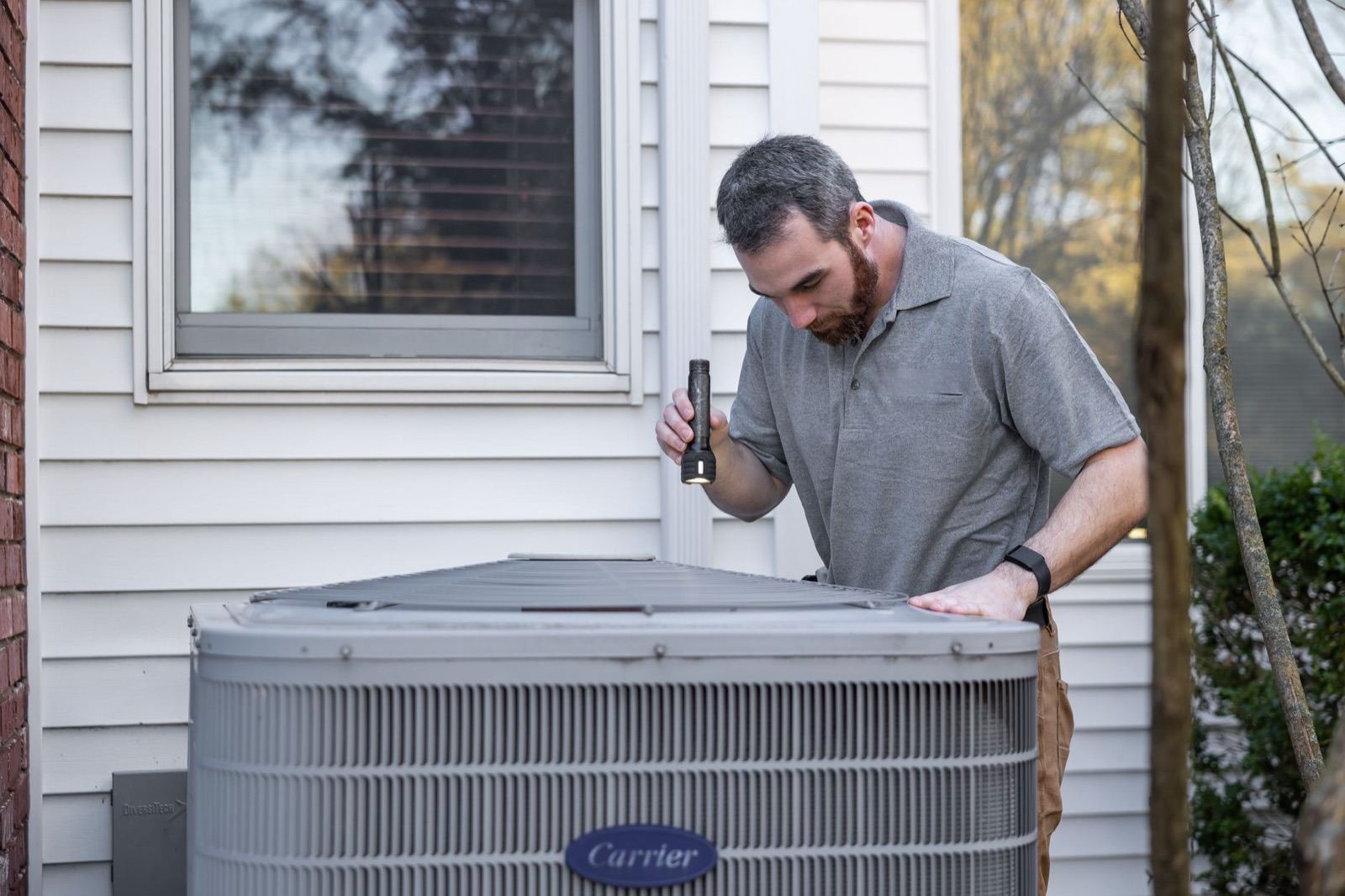
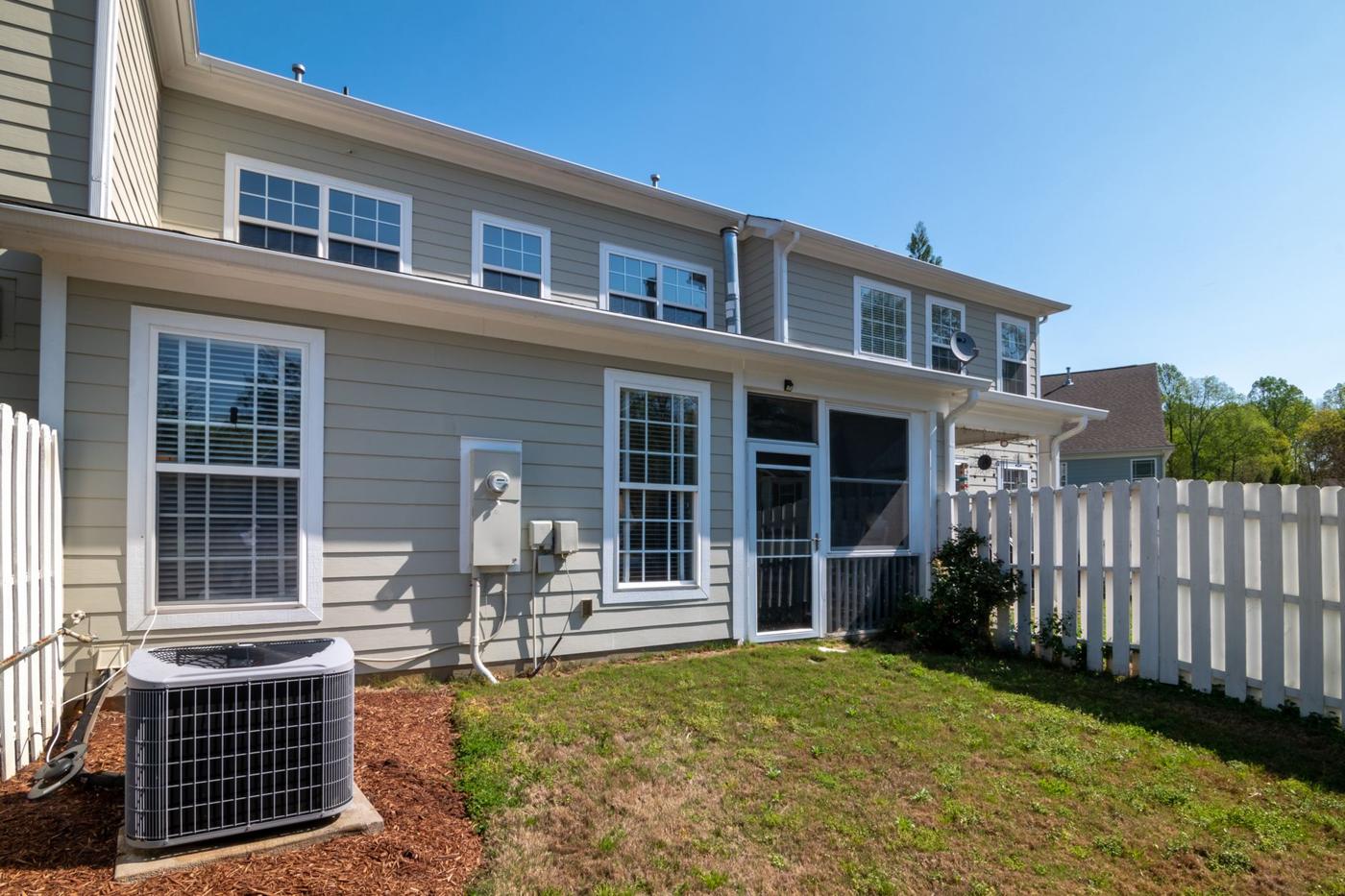
From outside the equipment, look for stored items or loose debris blocking its air path. Remove only items you can reach safely without touching the unit. Leave covers and grilles in place. Do not push tools inside, wash electrical parts, or try to turn a fan blade by hand.
If power appears to have tripped, do not repeatedly reset it. A single reset is only appropriate when the equipment guide permits it, conditions are dry and safe, and there is no sign of damage. If it trips again, stop. You can also skip a reset entirely and report the breaker position to a professional.
Write down the pattern, not a diagnosis
Useful notes include the thermostat mode, indoor temperature trend, affected rooms, and any new noise. Mention whether the trouble appeared suddenly or whether cooling faded over several days. Share recent changes such as a new filter, renovation, or thermostat adjustment. You do not need to name an internal component.
If the home becomes unsafe in the heat, move people and pets to a cooler location. Call emergency services when someone needs urgent medical help. An HVAC visit is about equipment, so do not wait for that visit to address an immediate safety need.
Choose the next step from the findings
When arranging repair, ask what the inspection found and what the proposed work addresses. A worn component and a room with a poor return-air path may need different responses. If replacement is discussed, compare a written scope separately. A warm-air complaint alone should not settle that decision.
Right A Way provides AC repair across the listed Frederick County service area. Call with your location and symptoms to discuss service availability. For a planned project, use the chat widget and include the details you gathered safely.
Common questions
Can a dirty filter stop cold air?
Restricted airflow can affect cooling and contribute to ice. Check only a homeowner-accessible filter and use the specified replacement type.
Should I keep turning the thermostat down?
No. A lower target does not correct an equipment fault. Confirm normal settings, then report that the house is not cooling.
Does warm air mean I need a new AC?
Not necessarily. Ask for the cause and compare the proposed repair with replacement only after the system condition is understood.
Related services
No heat or no AC?
Call to discuss your system and current service availability.
Call (301) 845-7710 Emergency HVAC help