By Right A Way Heating & Cooling |
Start with the emergency rule
If you smell gas or a carbon monoxide alarm sounds, leave the house right away. Get everyone outside, including pets if you can do so without delay. Call 911 or the gas company from outside and away from the building. Do not wait for an HVAC appointment or a reply to an online message.
Do not stop to find the source, reset the furnace, or open windows. If gas may be present, do not use switches, phones, flames, or appliances inside. Stay out until emergency responders say it is safe to return. After that, our heating repair team can discuss the equipment work that may be needed.
Know what carbon monoxide is
Carbon monoxide, often called CO, is a gas you cannot see or smell. Fuel-burning equipment can produce it when fuel does not burn properly or exhaust does not leave the home as intended. A gas smell and CO are different hazards. The absence of an odor does not tell you that the air is safe.
A furnace is not the only possible source. Other fuel-burning appliances, vehicles, and portable engines can also create CO. Never run a generator, grill, or outdoor heater inside a home, basement, or attached garage. An open garage door does not make it safe to run an engine there. Keep outdoor equipment away from doors, windows, and air openings.
Check alarms before the heating season
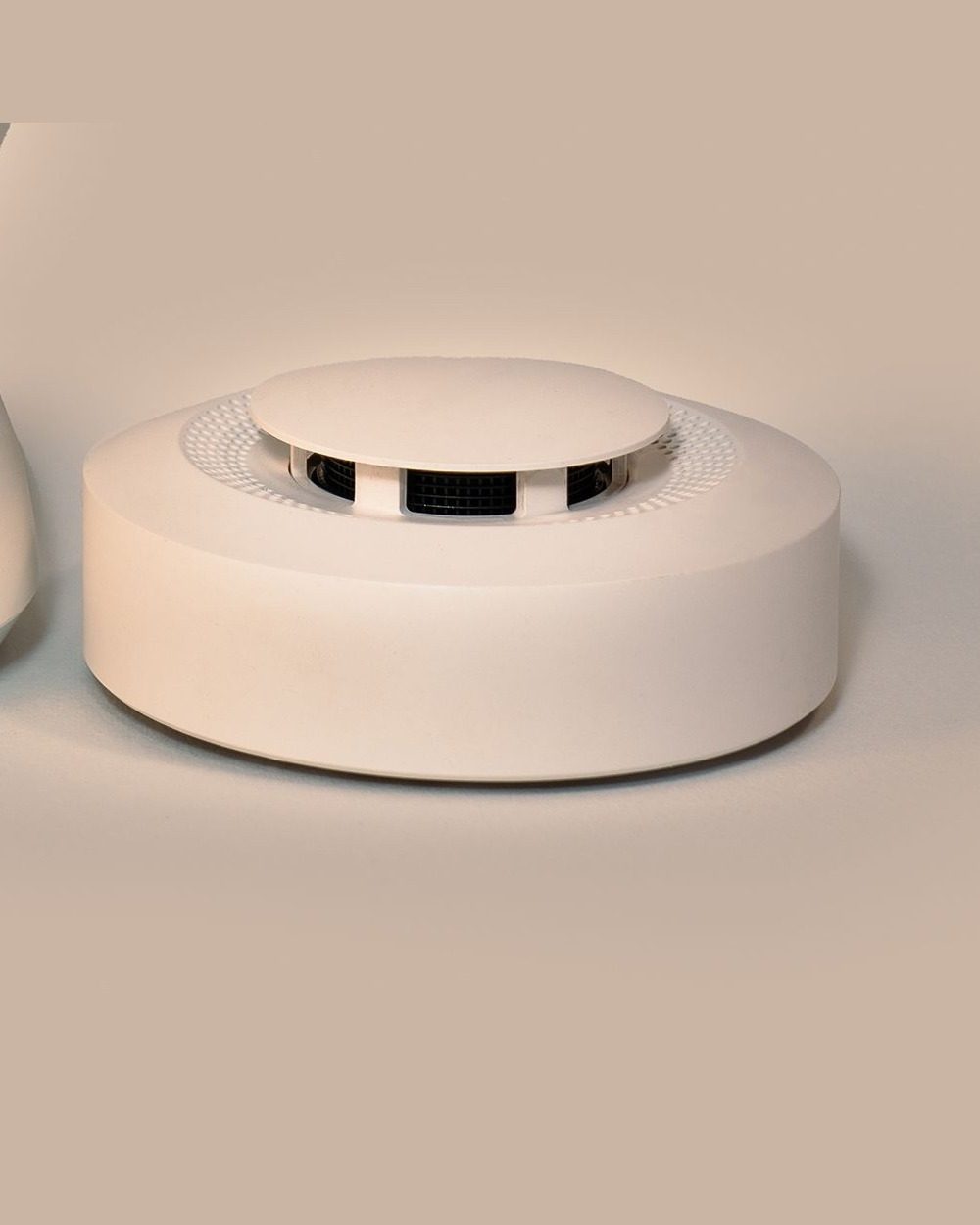
Use CO alarms according to their instructions and local requirements. Check that you have protection near sleeping areas and on each level of the home. Read the label so you know whether a device detects smoke, CO, or both. A smoke alarm alone does not always detect CO.
Use the test button on the schedule in the alarm guide. Check the replacement date and follow the maker's battery instructions. A test button checks the device's test function; it does not check the furnace or prove the room has no CO. Learn the difference between a low-battery chirp and the emergency alarm pattern. If you are unsure whether a sound is a CO alarm, leave and call for help.
Keep the area around the furnace clear
Store boxes, paper, paint, and cleaning products away from the furnace. Use the clearances in the equipment guide. Keep doors and grilles that supply air to the room clear. A utility room is easy to turn into storage, especially in older homes in Frederick, but equipment needs its planned space and airflow.
From a safe, open area, look for items blocking visible air openings. Do not remove covers or move vent pipes to get a better view. If a pipe appears loose, damaged, or stained, leave it alone and report what you can see. A photo taken without reaching into equipment can help explain the concern. Do not climb into a tight space to take one.
Watch outdoor vents from the ground
Some furnaces have intake and exhaust pipes that end outside near ground level. If yours does, learn where they are during mild weather. Check from a safe distance after wind or snow. Leaves, drifted snow, and stored items can obstruct these openings. Follow the equipment guide for keeping the surrounding area clear.
Do not insert a tool into a pipe, chip ice from a fitting, or change a vent cap. Do not cover an exhaust outlet to keep cold air out. If an opening is iced over or you cannot reach it safely, stop using the furnace if you can safely do so and arrange service. A blocked vent needs attention before normal heating resumes.
Use symptoms as a reason to act, not a test
Headache, dizziness, nausea, weakness, or confusion can have many causes, including CO exposure. If exposure may be possible, move to fresh air and call 911. Tell responders if more than one person feels ill or symptoms ease outside. Do not spend time checking the furnace to decide whether the symptoms count.
Visible soot, new exhaust odors, or repeat shutdowns also need professional attention. None of these clues can tell you how much CO is present. A quiet furnace is not proof of safe combustion. Do not rely on flame color, a phone app, or how warm a vent feels to decide whether fuel-burning equipment is safe to operate.
Plan professional care and keep a record
Arrange routine HVAC maintenance and explain any changes you have noticed. Ask what checks are included for your furnace and venting. Share past repairs, alarm events, and changes to the home. New exhaust fans, sealed windows, or a finished basement can affect how air moves through a house.
Keep the equipment guide, model information, alarm replacement dates, and service notes together. You do not need to open a cabinet to collect a model number; use an existing receipt if the label is hard to reach. For Frederick County homes with an aging furnace, furnace replacement planning can include questions about venting, access, and the home's heating needs.
Know which call comes first
For a gas smell, a CO alarm, or suspected exposure, leave and call emergency help first. For a routine alarm battery question, use the alarm maker's guide. For a furnace concern after immediate danger has been addressed, contact Right A Way with a short description of the problem.
Tell us whether responders have cleared the home, whether the system has been shut off, and what they advised. Do not restart equipment against their instructions. If the house is too cold to stay in while help is arranged, move people and pets somewhere warm. Never use a stove or oven as a room heater.
Common questions
Does a smoke alarm also detect CO?
Only if it is labeled as a combination smoke and carbon monoxide alarm. Read the label and guide. Do not assume every smoke alarm covers both hazards.
Should I call for furnace repair when a CO alarm sounds?
Leave the house and call 911 or the gas company from outside first. Arrange furnace service after emergency responders address the immediate danger.
Can I check furnace safety by looking at the flame?
No. Flame appearance cannot prove safe operation. Keep equipment covers closed and have a professional assess combustion and venting concerns.
Related services
No heat or no AC?
Call to discuss your system and current service availability.
Call (301) 845-7710 Emergency HVAC help