By Right A Way Heating & Cooling | October 7, 2026
How long does an air conditioner last?
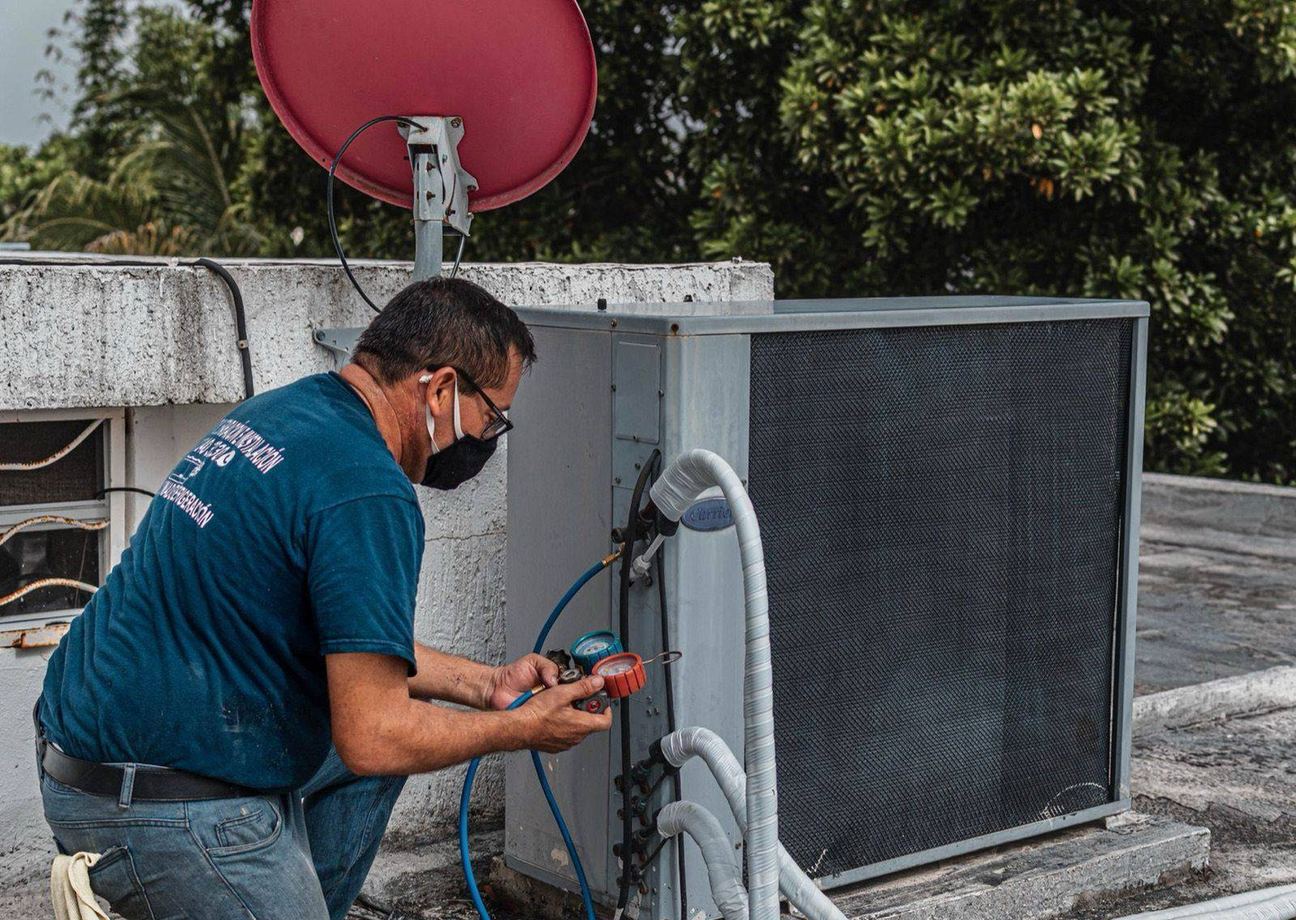
The answer depends on the equipment, how it is used, its surroundings, and the care it receives. Two units installed at the same time can develop different problems. One may serve a house with long cooling demands while another runs less. Calendar age gives context, but it does not describe the condition of every component.
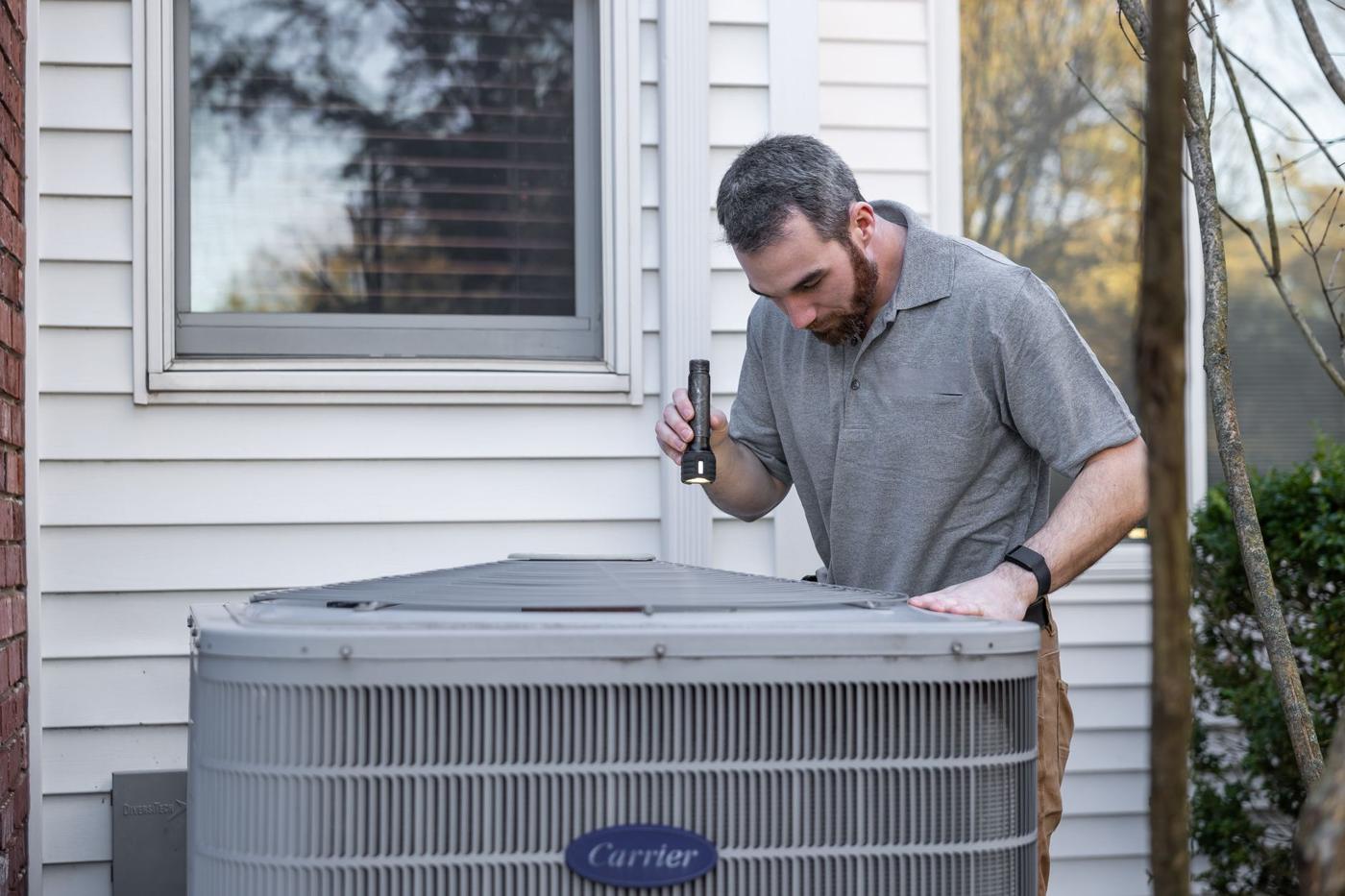
Instead of relying on a fixed lifespan, look at the pattern. Is cooling steady? Have repairs become frequent? Does a leak or shutdown return after work? Keep the findings from past service rather than relying on memory. Those records help you ask informed questions about the current system and future options.
How long should a furnace last?
A furnace's useful life also depends on condition and use. Fuel type, installation details, maintenance, and the environment around the equipment can matter. An age estimate does not replace a professional assessment when the system has a safety concern. Do not assume that a furnace is safe simply because it still produces warm air.
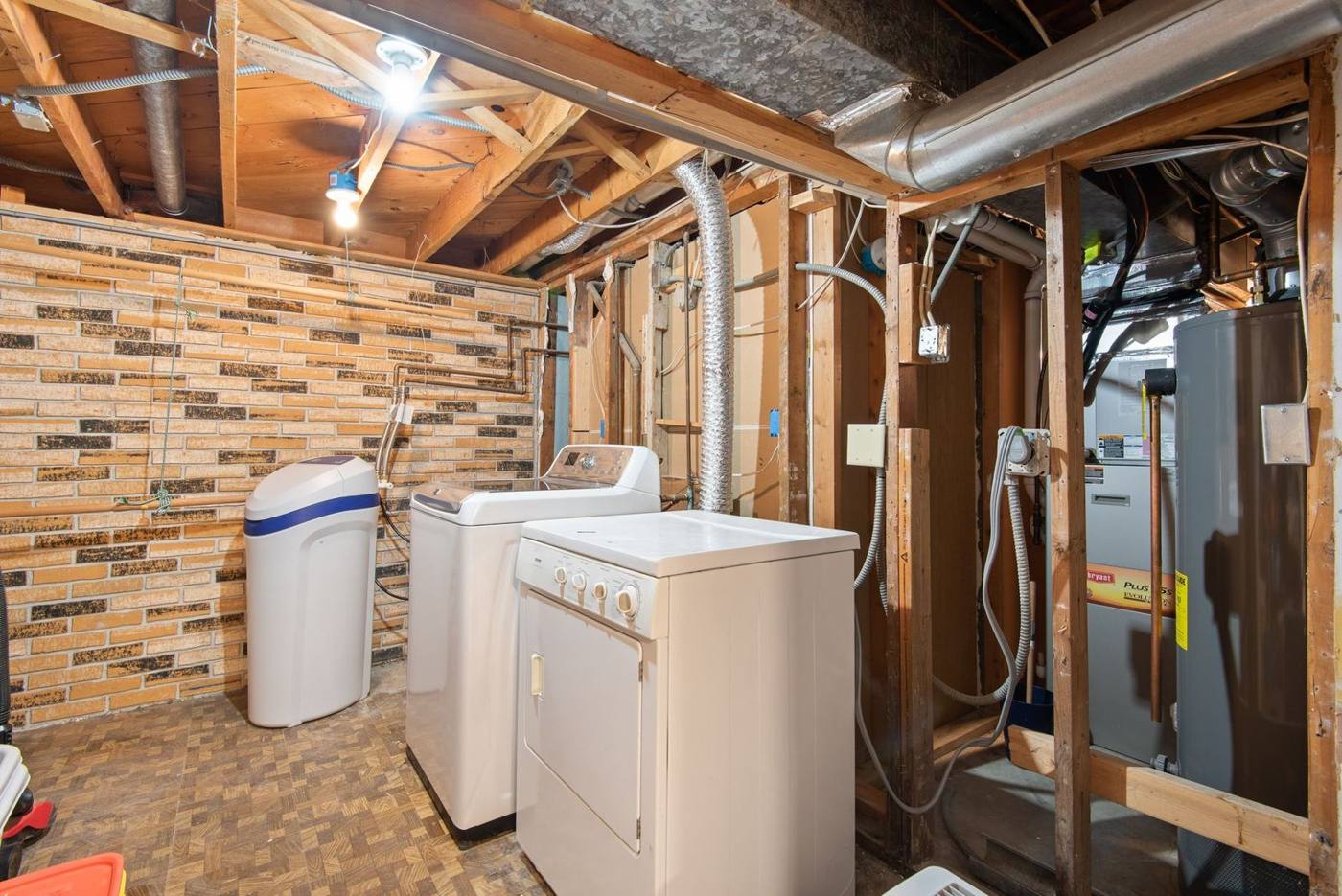
If you smell gas, leave the building and call the gas company or 911 from a safe place, then contact your heating service provider. If a carbon monoxide alarm sounds, get outside and call 911. Those actions take priority over a discussion about repair history or expected equipment life.
Separate age from the problem happening now
A failed component does not automatically mean the entire system has reached its end. Ask what failed, what caused it if known, and what condition the rest of the equipment is in. A clear repair finding is a better starting point than replacing a unit solely because it seems old.
At the same time, do not ignore recurring concerns just because the system can restart. Repeated shutdowns, new noises, or a house that cannot hold temperature deserve attention. Record what happens and arrange service. Avoid repeated resets that make a persistent fault seem temporarily resolved.
Notice how your home has changed
A system may remain operational while becoming a poor fit for the present house. An addition, a finished attic, or changed room use can alter heating and cooling needs. New windows or insulation may change demand too. Describe those projects when asking about equipment condition and replacement planning.
Uneven comfort can also involve air distribution. A cold room at the end of a duct route is not by itself evidence that a furnace has worn out. Ask whether the issue comes from the equipment, ducts, controls, or the building. A replacement plan should explain how the comfort problem would be addressed.
Use maintenance records to plan ahead
Keep model details, service dates, repair findings, and filter information in one place. Add notes when behavior changes. A simple record can show whether the same issue returns or whether several unrelated concerns have appeared. It also gives a future service visit a useful starting point.
Routine care can help track the system's condition, but it does not promise that no part will fail between visits. Follow the guide for homeowner filter checks and keep normal airflow paths clear. Leave internal inspections, fuel components, wiring, and refrigerant work to a professional.
Ask about parts and the scope of a repair
When a repair is proposed, ask what is included and which questions remain open. Discuss the rest of the equipment and whether the work addresses the symptom you reported. Availability of a specific part is something to confirm for the actual model, not something to assume from the unit's age.
If replacement is also an option, compare its scope separately. Which indoor and outdoor components change? Are ducts, controls, or venting involved? How does the proposed size fit the current house? Clear answers make planning easier without turning an uncertain lifespan into a deadline.
Make a plan before the next interruption
You can gather information about replacement while continuing to use equipment that has been assessed as suitable for use. Keep the written repair findings and any replacement proposal together. Decide which open questions matter most, such as room comfort, access, or compatibility with existing parts.
For the actual choice between a specific repair and a proposed replacement, read our repair-or-replace guide as a separate decision checklist. This lifespan guide is about tracking condition over time. Right A Way serves Frederick County and can discuss AC, furnace, and maintenance needs when you are ready to request help.
Common questions
Should I replace a system just because of its age?
Age is only one factor. Consider the actual condition, repair findings, comfort needs, and whether the system still fits the home.
Can maintenance promise a certain lifespan?
No. Care helps track condition, but parts can still fail. Follow equipment instructions and report changes rather than relying on a fixed retirement date.
What records should I keep?
Keep the model details, service dates, repair findings, and notes about recurring problems or changes to the home.
Related services
No heat or no AC?
Call to discuss your system and current service availability.
Call (301) 845-7710 Emergency HVAC help