By Right A Way Heating & Cooling |
Separate the workday from the whole project
A straightforward replacement may need less time at the house than a project with new ducts, venting, or electrical work. That does not tell you how long the entire process will take. A site visit, equipment availability, required approvals, and coordination can all happen before the installation crew arrives.
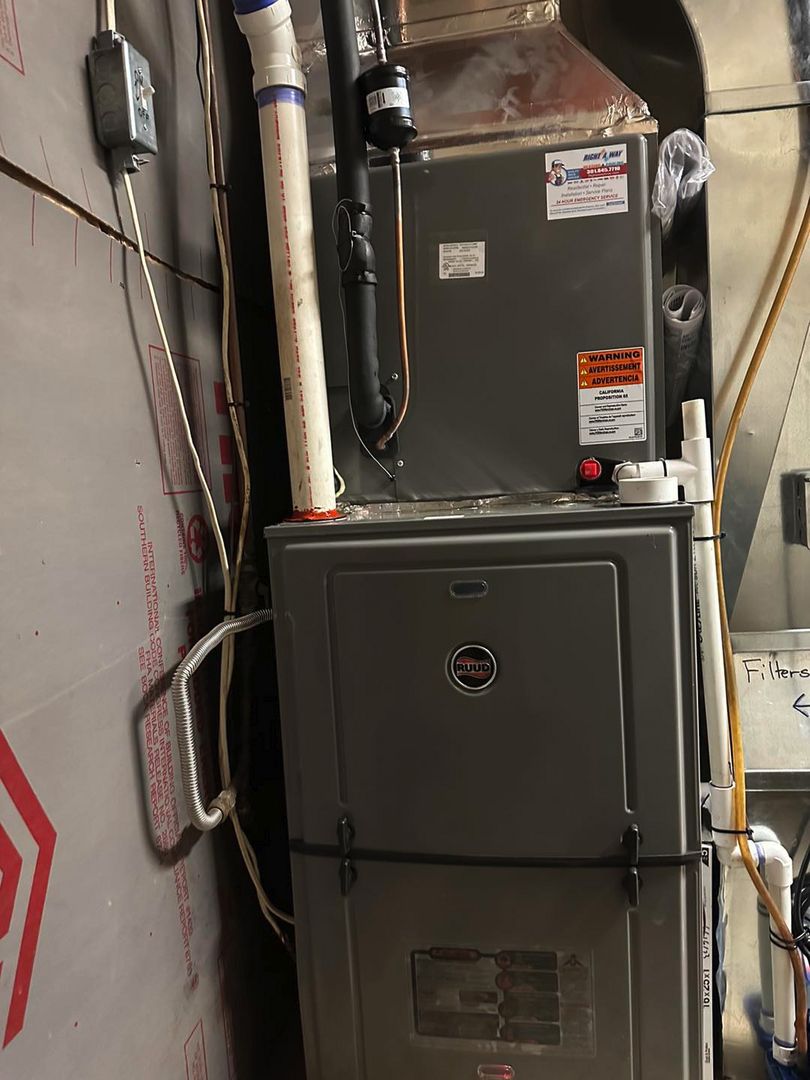
Ask for a schedule based on your home and written scope, rather than a promise drawn from another project. For AC installation, tell us whether the existing system still works. If you have no heating or cooling, say so early. Availability and temporary comfort needs should be part of the conversation, without assuming an immediate installation date.
Step 1: assess the house and existing system
The first stage is learning what the home needs. That can include room comfort concerns, insulation, windows, air leakage, and the current duct layout. Equipment size should come from the home's needs, not simply the size of the old unit. An addition or finished attic can change the planning questions.
The visit also helps identify access limits. A tight basement stair, small attic opening, or narrow side yard may affect how equipment is removed and delivered. In older Frederick homes, existing venting and utility connections may need a closer look. Share photos you already have, but do not open equipment panels or climb into an unsafe space to collect them.
Step 2: agree on the written scope
Before choosing a date, understand what the work includes. Ask which indoor and outdoor components are being replaced, how the thermostat is handled, and whether duct changes are needed. Confirm how removal of the old equipment, protection of work areas, and cleanup will be handled.
For furnace replacement, discuss the fuel type and venting plan. For a heat pump project, ask how backup heat and controls fit together. Do not assume every quote covers the same related work. A clear scope lets both sides plan for the time and access required, and it gives you a useful reference during the final walkthrough.
Step 3: coordinate equipment and required work
The installation date depends in part on equipment availability and any other work the project requires. Some jobs involve electrical changes, vent work, or duct adjustments. Required permits and inspections can add coordination steps. Ask who handles those steps and when they occur in your project's sequence.
A date discussed before materials and scope are confirmed may be a planning target rather than the final appointment. Ask how schedule updates will be communicated. Keep your contact information current and mention any limits on access to the house. Avoid booking another contractor into the same small work area without checking how the tasks will overlap.
Step 4: get the home ready
Clear a walking route to the equipment and move fragile items from that route. Leave heavy or awkward objects for a discussion about safe handling. The crew needs room to carry equipment and work, so ask which spaces should be cleared before they arrive. Keep pets and children out of those areas.
Tell the installer about gates, parking limits, alarm systems, and any household member who needs special access. Plan for a period without normal heating or cooling and ask what to expect for your job. If extreme weather would make the home uncomfortable, arrange a safe place to spend time. Never use outdoor heaters, a grill, or an oven for indoor warmth.
Step 5: remove and install equipment
On installation day, the work can include isolating utilities, removing old components, positioning new equipment, and making planned connections. These are professional tasks. Refrigerant handling, gas connections, and electrical work require proper procedures and should not become homeowner preparation jobs.
Stay outside the work area even when equipment appears to be off. If something unexpected is found, ask what it changes about the scope and schedule before work proceeds beyond the agreed plan. Hidden damage, difficult access, or an unsuitable connection can affect timing. A useful update explains the finding and the next step rather than giving a fixed completion time too early.
Step 6: allow time for testing
The job is not finished when the new equipment is in place. The system needs startup checks and testing that fit its design. Controls, drainage, airflow, and heating or cooling operation need attention. Ask what was checked and whether any follow-up visit or inspection remains.
Do not pressure the process by treating every hour after placement as a delay. Testing helps identify issues before normal use. Tell the installer if a room, vent, or drain area has been a concern in the past. For Frederick County homes with long duct runs, a walkthrough is a good time to discuss what comfort changes to watch during the first days of use.
Step 7: finish the homeowner walkthrough
Ask to see the thermostat settings, normal filter access, and the equipment guides. Find out which sounds and operating patterns are expected. Keep the model details and service paperwork together. Ask which equipment documents you should keep, how to find model information, and where the startup and inspection records will be stored.
Before the crew leaves, confirm what is complete and what is still scheduled. Ask who to call about a new noise, water, or a control question. Contact Right A Way to discuss your installation needs and request a project-specific timeline. A clear plan should cover both the work at the house and the steps around it.
Common questions
Can every replacement be finished in one visit?
No. The scope, access, related work, testing, and required inspections affect the schedule. Ask for a timeline based on your actual project.
Will the house have heat or AC during the work?
The existing system may need to be off for part of the project. Ask about expected downtime and plan for people and pets before work begins.
What should I have ready for the first visit?
Share comfort concerns, service records, access limits, and changes to the home. Do not remove equipment covers or handle utility connections to prepare.
Related services
More homeowner guides
No heat or no AC?
Call to discuss your system and current service availability.
Call (301) 845-7710 Emergency HVAC help