By Right A Way Heating & Cooling |
Start with safety, not a sound diagnosis
A sound alone cannot identify a failed part. The same buzz, bang, or rattle can come from different places. If a noise is sudden, harsh, or paired with smoke, a burning smell, or loss of airflow, stop the system at the thermostat if it is safe to do so. Keep your distance from equipment.
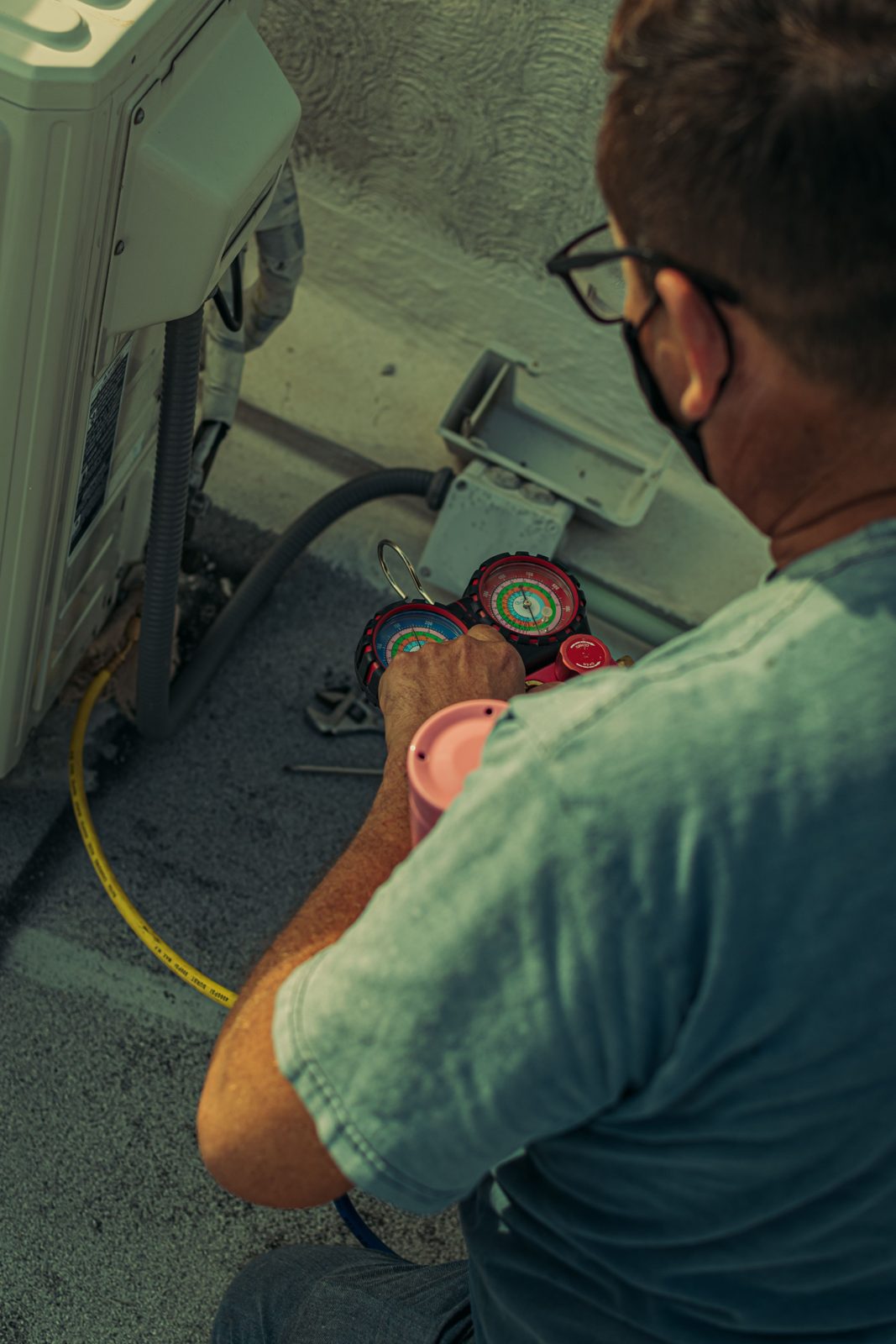
If you smell gas or a CO alarm sounds, leave the house and call 911 or the gas company from outside first. Do not stay inside to record a sound or find its source. For an equipment problem without immediate danger, our AC repair service can help assess cooling noises. Heating sounds need the same careful approach.
A bang or boom when heating starts
A small duct pop can happen as metal warms or cools. A loud bang at furnace startup is different and should not be dismissed as ordinary expansion. It may involve ignition or another equipment issue that needs a professional check. You do not need to decide which part caused it before asking for help.
Turn heating off at the thermostat if you can safely do so and arrange heating repair. Do not restart the furnace several times to see whether the bang returns. Keep covers closed and leave burner checks to a technician. Report whether the sound happened before warm air began, after shutdown, or at another point in the cycle.
Scraping, grinding, or hard rattling
Scraping or grinding can mean moving parts are contacting something they should not. A hard rattle may also involve a loose part or an object near a fan. Stop the system from the thermostat if safe, and avoid another test run. Continuing to run it can add damage when a moving part is involved.
Do not reach through a grille, remove a fan guard, or try to hold a cover in place while equipment runs. Even a stopped fan can start again while controls have power. From a safe distance, note whether the sound comes from the indoor unit, outdoor unit, or a room vent. That location is more useful than guessing a part name.
Buzzing or humming that has changed
Some equipment makes a low hum during normal use. A new loud buzz, a hum with no airflow, or repeated clicking without a start needs attention. Controls, motors, and electrical parts can produce overlapping sounds, so listening does not prove whether a component is safe.
Keep electrical and equipment panels closed. Do not press on wires, tap a relay, or reset a breaker again and again. If you can safely use the thermostat, turn the system off and call for guidance. If you see smoke or sparks, move away and treat that as a possible emergency. Tell the technician whether the sound continued after the thermostat was turned off.
Whistling near filters, doors, or vents
A whistle often draws attention to an air path. Look for a covered return grille, a blocked register, or a door position that changes the sound. Move furniture or a rug that blocks a grille. Use the equipment guide to check a homeowner-accessible filter with the system off.
Do not remove the filter and run the furnace or AC to silence it. Do not seal return openings or close most of the supply vents. A filter that is too restrictive for the system can create problems even when it is new. Note the filter size and type so the technician can discuss whether they match the equipment and duct design.
Hissing, bubbling, and outdoor sounds
Some heat pumps change sound during defrost or when a control changes operating mode. A brief sound can be normal for one model and unusual for another. Read the owner's guide for your equipment. A new persistent hiss with poor cooling or visible ice deserves a service call rather than a guess about refrigerant.
Never handle refrigerant lines, loosen a fitting, or try to add refrigerant. If you think a leak is present, stay clear and ask for professional help. Also check from a distance for leaves or loose household items near the outdoor unit. Do not reach into the cabinet to remove anything. Clear only the surrounding area when it is safe and allowed by the guide.
Separate room sounds from equipment sounds
Loose vent covers, a vibrating shelf, or duct movement can make a small sound seem large. With the system off, you can move nearby household items away from a grille and see whether something obvious was touching it. Avoid taking ducts apart or tightening equipment hardware without instructions.
In older Frederick houses, long duct runs may carry sound between floors. Write down the room where it is loudest and where you think it begins. Mention whether opening an interior door changes it. That information can help with an airflow review, but it does not rule out an equipment fault. A noise that grows louder should be checked even if the house still feels comfortable.
Keep a simple noise record
Use plain words such as whistle, click, scrape, or bang. Note whether the sound starts with the fan, cooling, or heating. Include how long it lasts, whether it repeats, and any change in room comfort. A short recording is useful only if you can make it without going near equipment or delaying a safety response.
For Frederick County service requests, share your town and whether the system is off. Keep pets and children away from the work area. Once an active problem is resolved, routine maintenance can help you track changes over time. Contact Right A Way with your observations so the request starts with a clear description.
Common questions
Can I identify the broken part from a recording?
A recording can help explain a sound, but it cannot confirm the failed part. Equipment inspection and testing are needed to determine the cause.
Should I run a noisy system until it stops working?
Do not keep running equipment with harsh scraping, grinding, loud startup bangs, smoke, or a burning smell. Stop it if safe and arrange help.
Are all duct pops dangerous?
No. Metal can make small sounds as temperatures change. A new loud bang, worsening noise, or a sound paired with other symptoms needs professional attention.
Related services
More homeowner guides
No heat or no AC?
Call to discuss your system and current service availability.
Call (301) 845-7710 Emergency HVAC help