By Right A Way Heating & Cooling |
First, notice what is actually stopping
Listen from outside the equipment and watch the thermostat. Does the whole system stop, or does warm air stop while the fan keeps running? Note whether the thermostat has reached its target. A blower may keep moving air after the burner turns off, and that alone does not mean something is wrong.
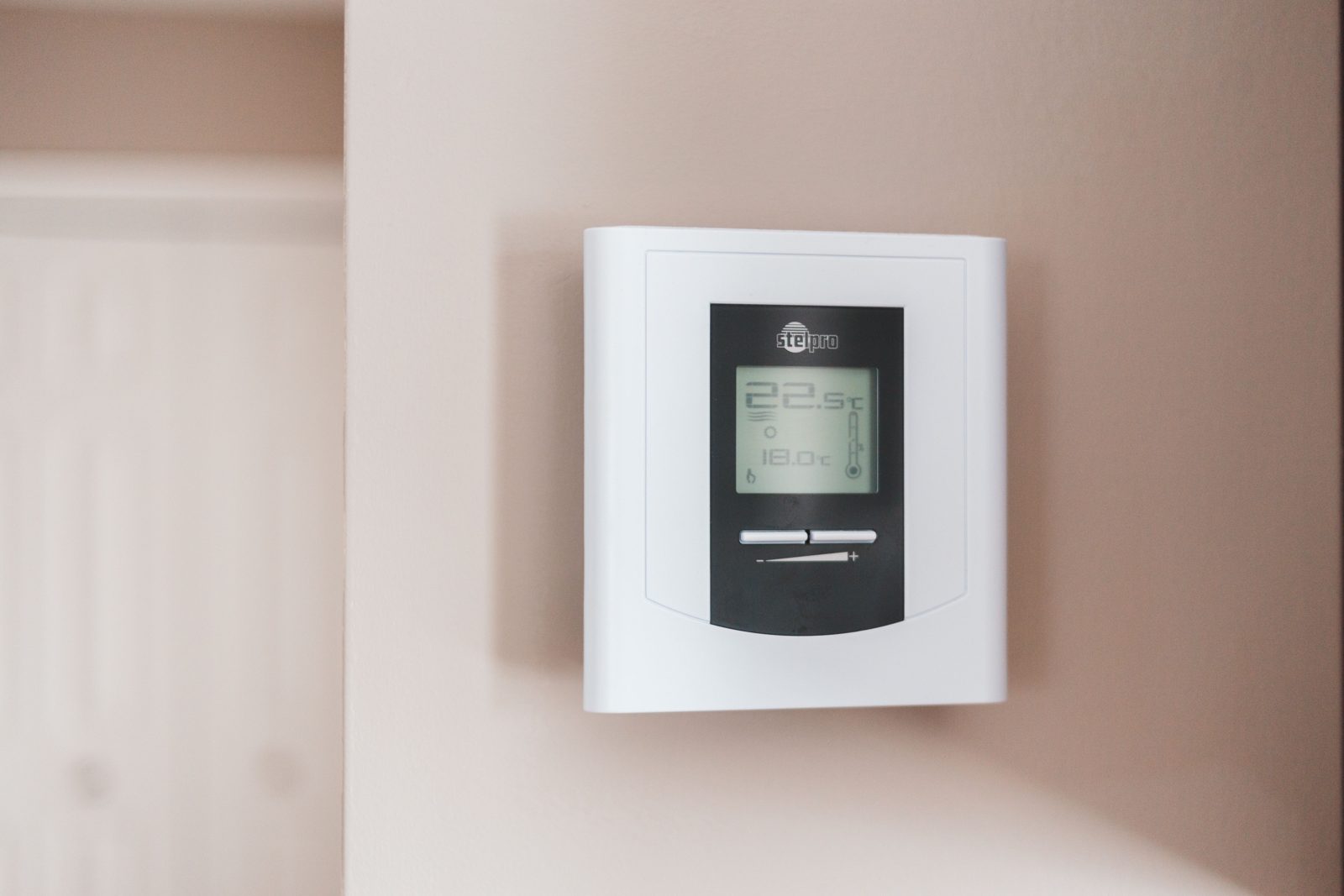
There is no single cycle length that fits every house or furnace. Weather, equipment type, and control settings all matter. Write down the pattern over a short period without repeatedly changing the temperature. If your home is losing heat or the stops keep repeating, ask about furnace and heating repair. The pattern helps frame the service call.
1. A filter that restricts airflow
A heavily loaded filter can limit air moving through a furnace. The equipment may get too hot and shut the burner down on a safety limit. That safety response needs attention. Replacing a dirty filter may help airflow, but it does not prove that a repeat shutdown has been fixed.
Check the filter only at the normal homeowner access point, using the equipment guide. Shut the system off as directed before removal. Match the listed size and type, and point the airflow arrow correctly. Do not run the furnace with no filter or force a thicker filter into place. Leave cabinet panels closed if filter access would expose electrical or burner parts.
2. Blocked returns or closed supply vents
Furniture, rugs, and storage can block the air path through rooms. Walk through the house and look at visible supply registers and return grilles. Move light household items that cover them. Open ordinary supply registers that were closed without a system design reason. Avoid reaching into duct openings.
Closing many vents to push heat into one room can make airflow problems worse. In older Frederick homes, rooms may have changed use long after ducts were installed. Note which rooms stay cold and whether doors affect comfort. If the air path still seems weak after basic checks, ask about duct and airflow assessment during a service visit.
3. Thermostat settings or placement
Look for a schedule change, low-battery message, or a temperature target close to the room reading. Follow the thermostat guide if batteries need replacement. Make sure it is set to heat. Avoid changing several settings at once, since that makes it harder to tell what affected the cycle.
A thermostat near a warm lamp, direct sun, or a draft may read conditions that do not match the rest of the house. Note those conditions without moving the thermostat or touching wiring. Keep portable heaters away from it. If the display goes blank or resets during a heating call, tell the technician instead of taking the control off the wall.
4. An ignition or flame-sensing fault
A furnace may try to start, then stop if its controls do not confirm a safe flame. You may hear a start sequence repeat without getting steady heat. This is a service issue, not an invitation to clean a sensor or relight equipment without instructions.
Keep the cabinet closed. Do not sand parts, disconnect wires, bypass switches, or keep cycling power to force another attempt. If a status light is visible through a built-in window, record its pattern without removing anything. The same symptom can come from several faults, so a light code is a clue for the technician rather than a homeowner diagnosis.
5. A vent or intake problem
A blocked or damaged vent path can interrupt safe operation. From ground level, look for snow or stored items around an outdoor intake or exhaust outlet if your system has them. Keep the surrounding area clear according to the equipment guide, without pushing anything inside a pipe.
Do not chip ice off fittings, loosen a vent, or disconnect tubing. Report visible damage or a blocked outlet. If you smell gas or a CO alarm sounds, leave the house and call 911 or the gas company from outside first. Do not wait for a heating appointment, investigate the source, or restart the furnace.
6. A blower or internal control problem
The blower, motor controls, and safety devices work together to move heat out of the furnace. A fault in that system can cause a shutdown even when the filter looks clean. A new hum, weak airflow, or repeated stops should be described during the repair request.
These parts are behind equipment covers and are not a safe place for trial repairs. Do not touch wiring or open a powered panel. Keep a note of the sound and whether air reaches the rooms. If there is smoke, active sparking, or a burning odor that suggests danger, leave the area and call emergency services as needed.
7. Equipment that does not fit the home
A furnace that produces more heat than the home needs can reach the thermostat target quickly and stop. That is one possible cause, especially when the pattern has existed since installation. It cannot be confirmed just by reading the size label or comparing your furnace with a neighbor's.
A proper review considers the house, insulation, windows, air leakage, and ducts. If repairs do not explain the pattern, discuss those points during furnace replacement planning. For Frederick County homes that have been renovated, share what changed. Do not assume a larger replacement will solve cold rooms.
Make the next service visit easier
Gather the thermostat setting, room temperature, filter details, and a simple description of the cycle. Tell us when the issue started and what changed just before it. A short video recorded from a safe distance can help capture a sound, but do not approach moving parts to make one.
Use HVAC maintenance to discuss routine care once the fault has been addressed. For ongoing short cycling, contact Right A Way and explain whether the home still has heat. Avoid repeated resets while you wait for guidance.
Common questions
Is every short heating run a problem?
No. Mild weather and control settings can produce shorter runs. Repeated starts with poor heat or a new shutdown pattern deserve a service check.
Will a new filter always stop short cycling?
No. A filter is one possible airflow issue. Ignition, venting, blower, control, or sizing problems need a separate assessment.
Should I keep resetting the furnace?
No. Repeated resets can hide the pattern and do not fix the cause. Record visible messages, keep covers closed, and request service.
Related services
More homeowner guides
No heat or no AC?
Call to discuss your system and current service availability.
Call (301) 845-7710 Emergency HVAC help