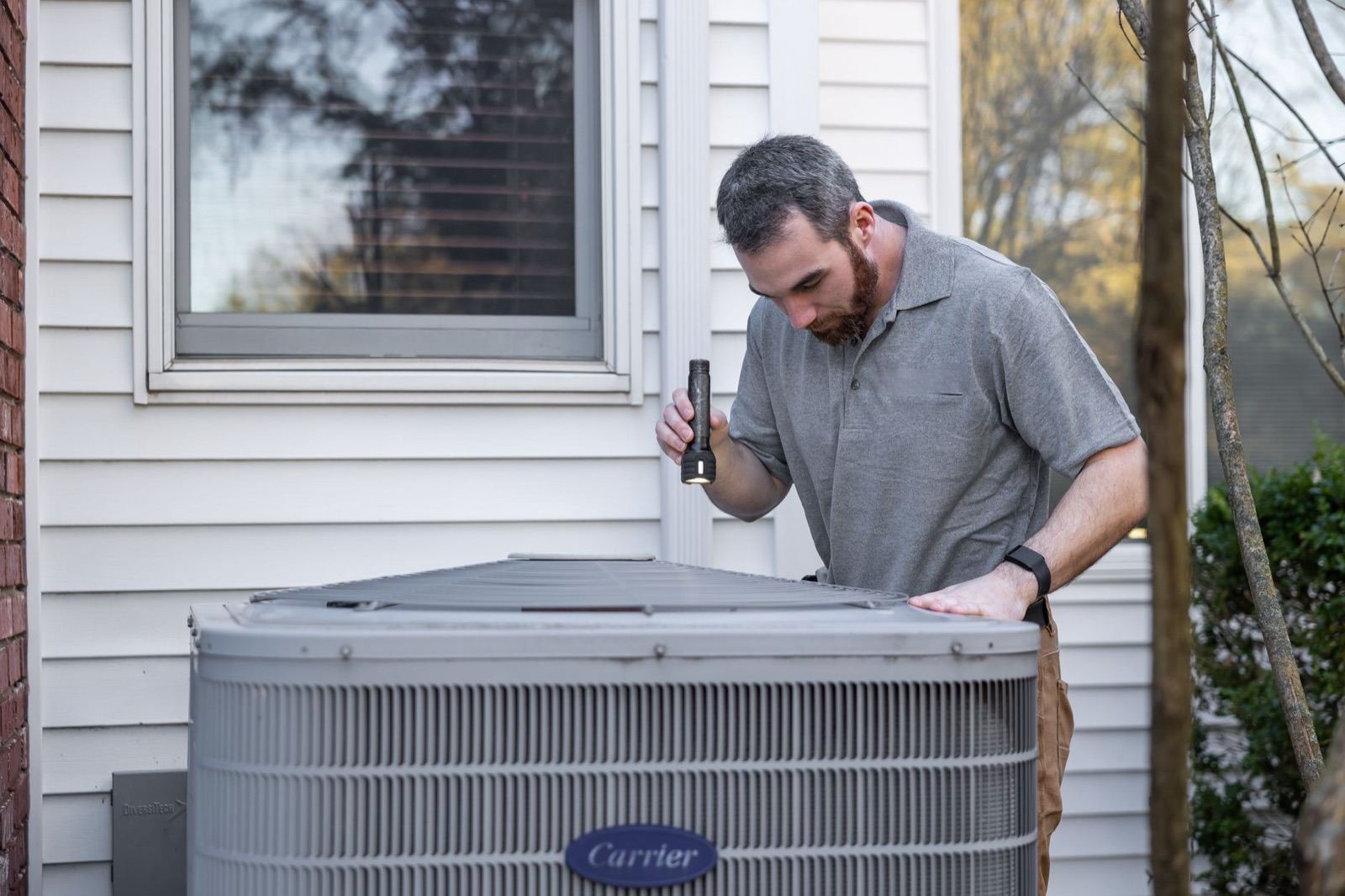
By Right A Way Heating & Cooling | October 7, 2026
Ice is a symptom, not a diagnosis
Restricted airflow can contribute to a frozen coil. A dirty filter or a blocked return may be involved, but equipment or refrigerant problems can also cause freezing. Seeing ice does not identify the cause by itself. Avoid deciding that one new part or a filter change must solve it.
Note where ice is visible from outside the equipment and when you first noticed it. Did airflow weaken before the house became warm? Was there water after cooling stopped? These observations help describe the sequence. You do not need to expose the coil or remove a cover for a closer look.
Turn cooling off before doing anything else
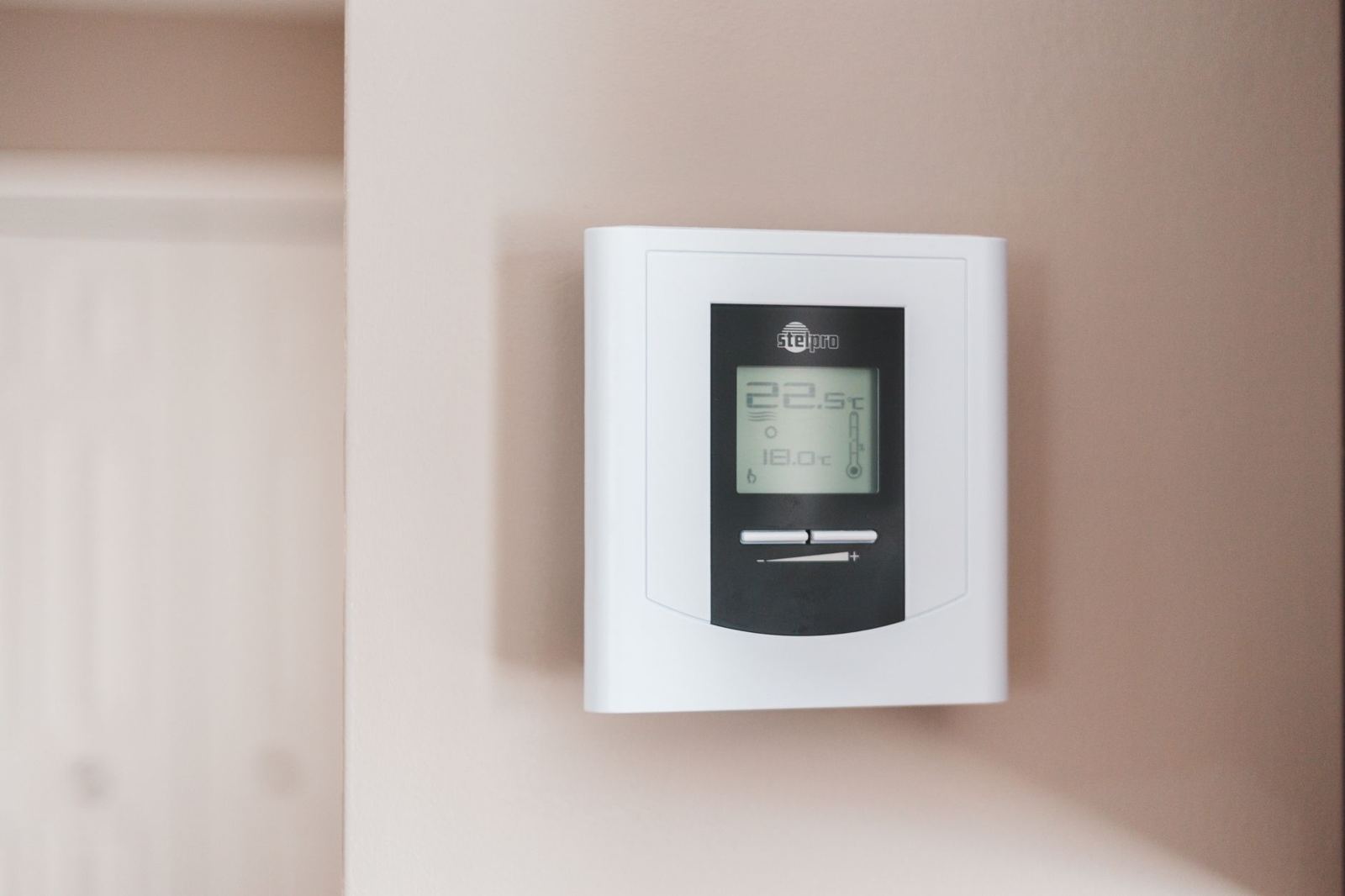
Use a safe, dry thermostat to turn cooling off. Do not keep running the AC while lowering the temperature target. If the equipment is safe and the owner's guide permits it, fan-only operation may help move air while ice thaws. If water is near electrical parts, keep clear and leave the system alone.

Never chip ice with tools or apply hot water or a heat source. The visible frozen area may sit beside parts you cannot see. Leave panels closed and do not reach through a grille. Call for guidance based on the actual equipment and the symptoms you observed.
Prepare for melting water safely
Ice can turn into water around the indoor equipment. Move nearby belongings only if the area is safe and dry enough to do so. Keep people and pets away from wet electrical components. Do not reach beneath the unit or remove a drain connection to try to stop the leak.
Water may have another cause even when ice is present. Report both symptoms rather than assuming that thawing will solve everything. If the leak spreads, describe where it is going from a safe location. Protecting a rug is not worth approaching equipment that may be electrically unsafe.
Check only the air paths you can reach
When there is no sign of danger, look at a homeowner-accessible filter using the equipment guide. Turn the unit off as directed. Use the correct size and type if it needs replacement. If access requires opening a service panel or reaching near wiring, leave the filter check for a professional.
Walk through the house and check for blocked return grilles or closed supply vents. A new piece of furniture can change the air path. Restore normal clear space around grilles without altering ducts or equipment. Note whether the whole house had weak airflow or only one room.
Do not use thawing as proof of repair
A coil can thaw while the reason it froze remains. Restarting repeatedly may lead to the same problem and more water. Ask how to proceed before returning to normal cooling, particularly if freezing has happened before. Keep the original symptom notes even if the ice is gone when help arrives.
Ask what caused the freeze if the cause can be identified, and what the proposed repair addresses. Discuss any separate room comfort concern too. An ongoing warm bedroom and a newly frozen coil may not have exactly the same explanation.
Arrange cooling help and a safe place to wait
Right A Way provides AC repair in Frederick County. Call with your town, equipment type, and the water or ice you can see. For an urgent concern, call instead of waiting for a chat reply. Ask about current service availability without assuming an appointment is reserved.
If the house becomes unsafe in the heat, move people and pets to a cooler place. Do not wait for equipment service to address a health emergency. Keep access to the system clear for a future visit, but leave covers, electrical parts, and refrigerant components untouched.
Common questions
Can I scrape off the ice?
No. Do not chip ice or use heat or hot water. Leave the equipment closed and arrange professional help.
Can I use the fan while it thaws?
Only if the unit is safe, water is not near electrical parts, and the equipment guide allows fan-only operation.
Is a thawed coil ready to use?
Thawing does not prove the cause is resolved. Ask for guidance before returning to normal cooling, especially after repeat freezing.
Related services
No heat or no AC?
Call to discuss your system and current service availability.
Call (301) 845-7710 Emergency HVAC help